To make sure your calendar, event reminders, and other features are always
correct, please tell us your time zone (and other details) using the
drop-down menus below:
Set Date/Time format:
In 12 Hour format the hours will be displayed as 1 through 12 with “a.m.” and “p.m.”
displayed after the time (ex. 1:00p.m.). In 24 hour format the hours will be displayed as 00 through 23 (ex. 13:00).
You can always change your time zone by going to your Account Settings.
Use the dropdown menu to view the events in another time zone. The primary time zone will be displayed in parentheses.
Use the dropdown menu to view the events in another time zone. The primary time zone will be displayed in parentheses.
Visiting George Morris(username: zayaaros)
Create a new Discussion Topic
Tag
Please wait...
Select a Color
Manage Applications
Check the items that you want displayed. Uncheck all to hide the section.
Calendars
Files
Addresses
To Dos
Discussions
Photos
Bookmarks
The “Switch Navigator” button will no longer be available after February 14, 2017.
Please learn more about how to use the new Navigator by clicking this link.
The Future: Autonomous Vehicles & Dispatch Systems
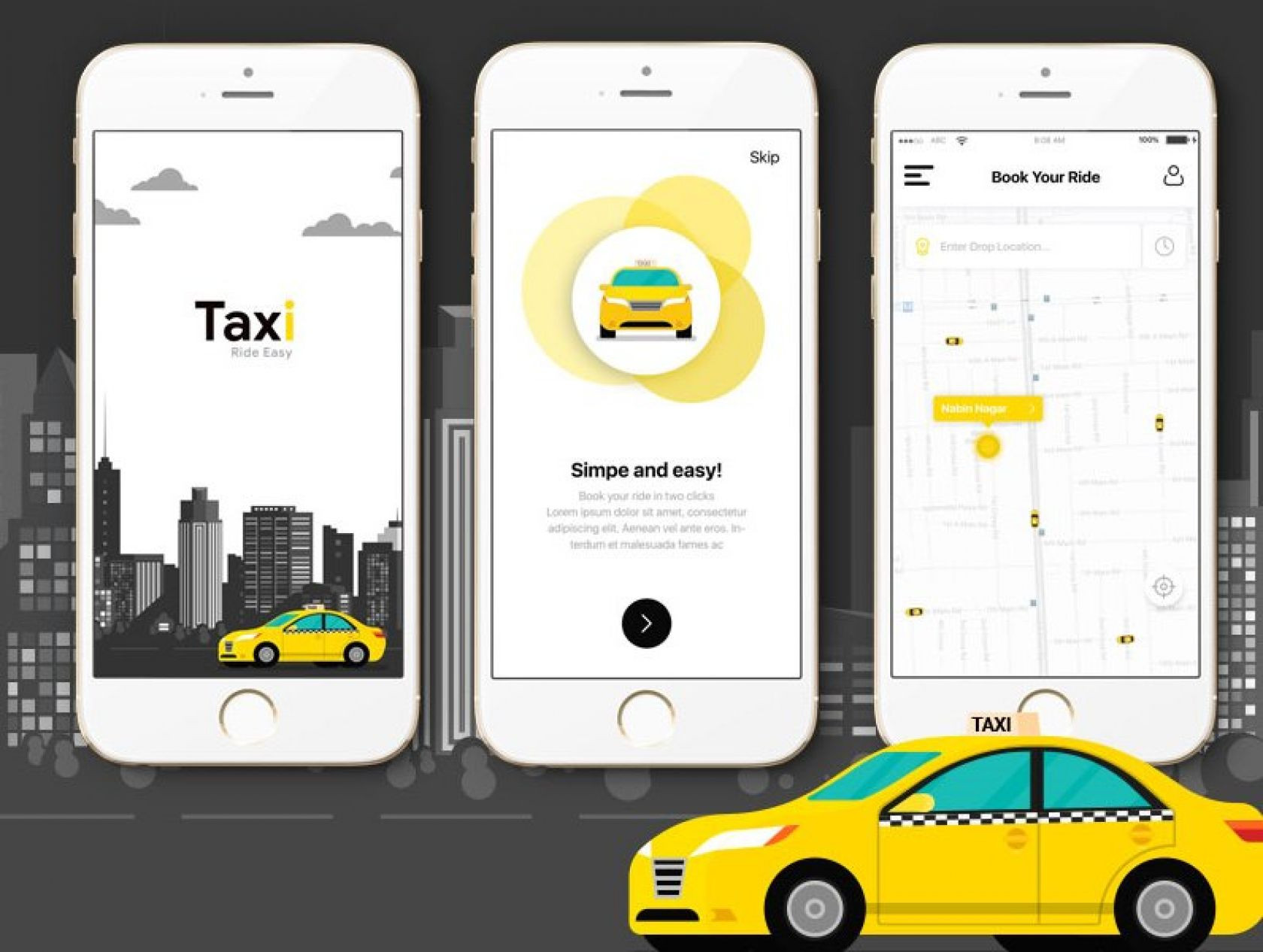
The global transportation industry is approaching one of the most transformative technological shifts in its history. Autonomous vehicles are no longer experimental concepts—they are becoming commercially viable solutions that promise safer, cleaner, and more efficient transportation. While self-driving technology receives the most attention, the real innovation lies in how these vehicles will be coordinated, optimized, and integrated into broader mobility networks. This is where next-generation dispatch systems come into play. Every autonomous fleet will rely on a highly sophisticated Software for Taxi Business capable of real-time decision-making, predictive route planning, and fully automated ride assignment. Modern platforms such as Mobion’s advanced dispatch and ride-hailing environment illustrate how dynamic and intelligent these systems must become to support driverless mobility at scale.
Why Autonomous Fleets Require a New Class of Dispatch Technology
Traditional dispatch software was designed around human drivers—systems worked within the limitations of driver response time, communication delays, and manual navigation. Autonomous vehicles remove these constraints entirely. Instead of messaging a driver or waiting for confirmation, the system communicates directly with the vehicle’s onboard computer. This shift demands a dispatch engine that can process thousands of micro-decisions per second. Vehicle availability, battery levels, maintenance schedules, route restrictions, and passenger preferences all need to be evaluated in real time. A system like Mobion’s mobility platform uses multilayered routing intelligence capable of managing these variables simultaneously. Autonomous vehicles also change how efficiency is measured: instead of maximizing driver activity, the goal becomes maximizing fleet-wide utilization and balancing energy consumption. Dispatch software built for self-driving operations must analyze patterns continuously to ensure that idle time, rebalancing movements, and empty-route travel are kept to a minimum.
Integrating Predictive Technologies for Self-Driving Workflow Automation
Predictive analytics, machine learning, and real-time data feeds form the core of autonomous-ready dispatch platforms. Future systems will rely on demand forecasting to position vehicles before requests even occur. Weather patterns, historical trip data, event schedules, and traffic patterns will guide proactive vehicle placement. For example, when a large public event concludes, an autonomous fleet should already be repositioned nearby without any dispatcher intervention. Platforms inspired by modern solutions like Mobion’s dispatch suite can use predictive modeling to schedule charging cycles, coordinate maintenance windows, and identify potential service gaps ahead of time. In addition, the taxi app experience will evolve. Passengers will not just request a ride; they will interact with a smart mobility concierge. The app may suggest optimized pickup spots, offer shared routes to reduce delays, or notify users when an autonomous shuttle is already nearby. These interactions require rapid backend communication and a dispatch system capable of adapting to changing conditions instantly.
The Role of Fleet Coordination and Safety Protocols
Autonomous fleets raise new safety and regulatory challenges. Dispatch systems must incorporate automated safety protocols capable of responding to unexpected events—road closures, sensor failures, or emergency detours. Without human drivers, the dispatch platform becomes the operational brain of the fleet. It must detect anomalies, trigger fallback procedures, and reassign vehicles without disrupting service continuity. Fleet coordination also becomes more complex. Rebalancing needs careful orchestration so vehicles are distributed evenly across service zones. Dispatch technology must prevent clustering and ensure availability where demand is emerging. Mobion’s multi-layered fleet management components demonstrate how streamlined coordination can reduce congestion, improve travel times, and maintain fleet stability.
Preparing Businesses for an Autonomous Future
Taxi and ride-hailing companies thinking ahead must not only evaluate the vehicles they plan to deploy but also the ecosystem that will manage them. Autonomous fleets require Software for Taxi Business that supports API-driven communication, sensor data integration, automated rule enforcement, and real-time fleet health monitoring. Platforms evolving in this direction, such as Mobion’s next-generation dispatch toolkit, position operators to transition smoothly as autonomous mobility becomes mainstream. The companies that begin adopting automation-ready systems today will be best positioned to lead tomorrow’s driverless transportation landscape.
Creation date: Dec 11, 2025 12:11am Last modified date: Dec 11, 2025 12:12am Last visit date: Oct 22, 2026 6:26pm
1 / 20 posts Displaying comment thread
Dec 11, 2025 ( 1 post )
12/11/2025
7:46am
Bk Rick (scotrich)
Sustainable commuting apps are transforming urban transportation by providing real-time information, route optimization, and incentives for eco-friendly travel choices such as public transit, cycling, walking, and shared mobility. Engaging with these apps can feel like entering a casino Cloud9 Pokies of commuting decisions, where each route selection, mode of transport, and reward impacts environmental impact, cost efficiency, and personal convenience. According to a 2025 report by the International Transport Forum, cities implementing sustainable commuting apps saw a 19% reduction in single-occupancy car trips and a 12% decrease in urban carbon emissions within the first year.
Social media feedback highlights commuters, city planners, and sustainability advocates sharing experiences of using apps for route planning, e-bike rentals, and carpool coordination on Instagram, TikTok, and LinkedIn. Users emphasize benefits such as time savings, reduced travel costs, and contribution to environmental sustainability. Experts note that integrating real-time traffic data, multimodal transportation options, and gamified incentives encourages consistent use while promoting greener commuting behaviors.
Many apps also incorporate carbon footprint tracking, rewards systems, and integration with public transit payment platforms to enhance user engagement and measure environmental impact. Peer reviews on Reddit and urban mobility forums indicate that sustainable commuting apps foster behavioral change, improve urban air quality, and support long-term city planning initiatives. Emerging innovations include AI-assisted predictive routing, integration with smart city IoT systems, and personalized eco-challenges to further reduce emissions. By combining technology, behavioral incentives, and real-time data, sustainable commuting apps are empowering individuals to make environmentally responsible travel choices, reduce carbon footprints, and contribute to healthier urban environments.
Attach this discussion to an event, task, or address
You can attach a link to this discussion to an event in your Calendar, a task in your To Do list or an Address. Check the boxes below for the data you want to
bring into the event’s or task’s description, and then click “Select text to copy” to have the next event or task you create or edit have the discussion text and link.