To make sure your calendar, event reminders, and other features are always
correct, please tell us your time zone (and other details) using the
drop-down menus below:
Set Date/Time format:
In 12 Hour format the hours will be displayed as 1 through 12 with “a.m.” and “p.m.”
displayed after the time (ex. 1:00p.m.). In 24 hour format the hours will be displayed as 00 through 23 (ex. 13:00).
You can always change your time zone by going to your Account Settings.
Use the dropdown menu to view the events in another time zone. The primary time zone will be displayed in parentheses.
Use the dropdown menu to view the events in another time zone. The primary time zone will be displayed in parentheses.
Visiting George Morris(username: zayaaros)
Create a new Discussion Topic
Tag
Please wait...
Select a Color
Manage Applications
Check the items that you want displayed. Uncheck all to hide the section.
Calendars
Files
Addresses
To Dos
Discussions
Photos
Bookmarks
The “Switch Navigator” button will no longer be available after February 14, 2017.
Please learn more about how to use the new Navigator by clicking this link.
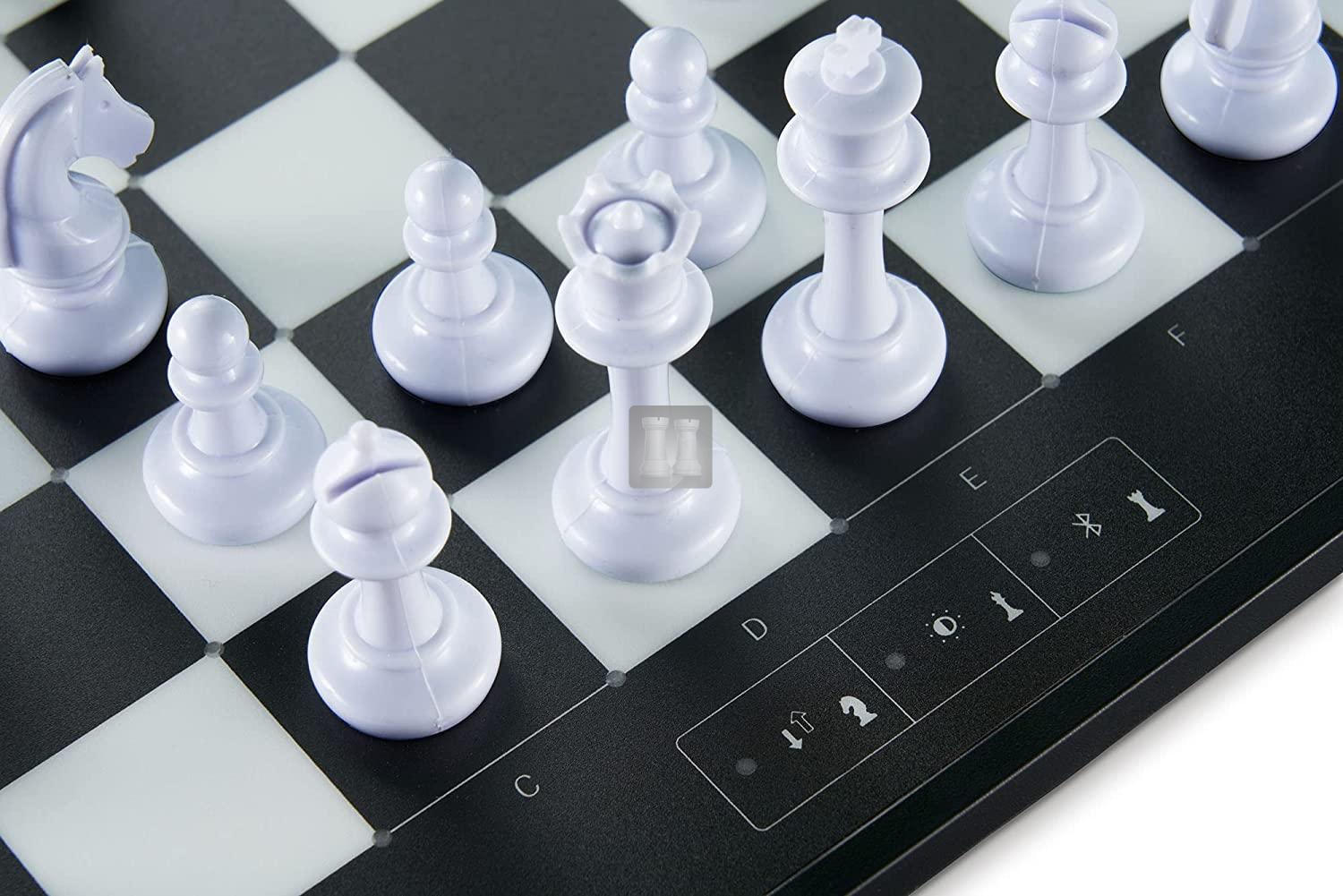
Building Long-Term Rivalries in Online Chess
Chess becomes far more engaging when it’s not just about random games, but about ongoing battles against familiar opponents. Long-term rivalries add emotion, strategy, and depth to every move. Instead of playing in isolation, you begin to develop a competitive story—one that evolves with each match. On platforms like endgame.ai, where players can play chess online, challenge friends, and analyze games with AI, building these rivalries is easier and more rewarding than ever.
Why Rivalries Elevate Your Chess Experience
A rivalry transforms ordinary games into meaningful encounters. When you face the same opponent repeatedly, every move carries context from previous matches. Wins feel more satisfying, and losses become more motivating.
Unlike one-time games, rivalries create continuity. You remember past mistakes, missed opportunities, and successful strategies. This history pushes you to think deeper and prepare better, making each new game more competitive than the last.
Long-term opponents also help you measure real improvement. You’re not just winning or losing—you’re evolving, adapting, and refining your approach over time.
How to Start a Strong Chess Rivalry
Finding the Right Opponent
The best rivalries begin with players of similar skill levels. If the gap is too large, games can become predictable. Balanced matchups, on the other hand, lead to dynamic and exciting battles.
Look for opponents who are active, consistent, and willing to play regularly. On endgame.ai/, you can easily challenge friends or reconnect with players you’ve faced before, making it simple to establish ongoing competition.
Playing Regularly
Consistency is the foundation of any rivalry. Playing frequently allows patterns to develop and strategies to evolve. The more often you face the same opponent, the more nuanced your games become.
Regular matches also build anticipation. Each new game feels like the next chapter in an ongoing story, rather than a standalone event.
Developing Strategic Depth Through Rivalries
Learning Each Other’s Style
Over time, you begin to understand how your opponent thinks. Maybe they favor aggressive openings or prefer slow positional play. Recognizing these tendencies gives you a strategic edge.
This familiarity forces both players to adapt. You can’t rely on the same tricks repeatedly, because your opponent will learn and counter them. As a result, your overall chess understanding deepens.
Expanding Your Repertoire
Rivalries push you out of your comfort zone. If your opponent consistently challenges your usual openings, you’ll need to explore new ideas and strategies.
This leads to a more versatile playing style. You become less predictable and more capable of handling a wide range of positions, which benefits your performance against all opponents—not just your rival.
Using Technology to Strengthen Rivalries
Analyzing Games with AI
One of the biggest advantages of playing online is access to advanced analysis tools. Platforms like endgame.ai allow you to review your games with AI, helping you understand where things went right or wrong.
By analyzing your matches, you can prepare more effectively for future encounters. You’ll spot patterns in both your play and your opponent’s, giving you a clear plan for improvement.
Tracking Progress Over Time
Long-term rivalries provide a natural way to measure growth. By comparing results across multiple games, you can see how your performance changes.
Are you winning more often? Making fewer mistakes? Handling pressure better? These insights help you stay focused and motivated, turning each game into a step forward.
Keeping Rivalries Competitive and Fun
Maintaining a Healthy Competitive Spirit
The best rivalries are built on mutual respect. While competition can be intense, it should always remain enjoyable. A positive mindset keeps both players engaged and willing to continue the challenge.
Friendly competition encourages learning rather than frustration. Even tough losses become valuable experiences when you view them as part of a larger journey.
Setting New Challenges
To keep a rivalry fresh, introduce variety. Play different time controls, experiment with new openings, or set specific goals for each match.
These small changes prevent stagnation and ensure that both players continue to grow. Each game becomes an opportunity to test new ideas and refine your skills.
Turning Rivalries Into Long-Term Growth
Long-term chess rivalries are more than just repeated games—they are a powerful training method. They combine competition, analysis, and adaptation into a single experience.
By playing regularly, studying your games, and embracing the challenge, you transform each matchup into a meaningful step in your development. On endgame.ai, where you can play chess online and engage with players worldwide, these rivalries become a driving force behind continuous improvement and deeper enjoyment of the game.
Attach this discussion to an event, task, or address
You can attach a link to this discussion to an event in your Calendar, a task in your To Do list or an Address. Check the boxes below for the data you want to
bring into the event’s or task’s description, and then click “Select text to copy” to have the next event or task you create or edit have the discussion text and link.