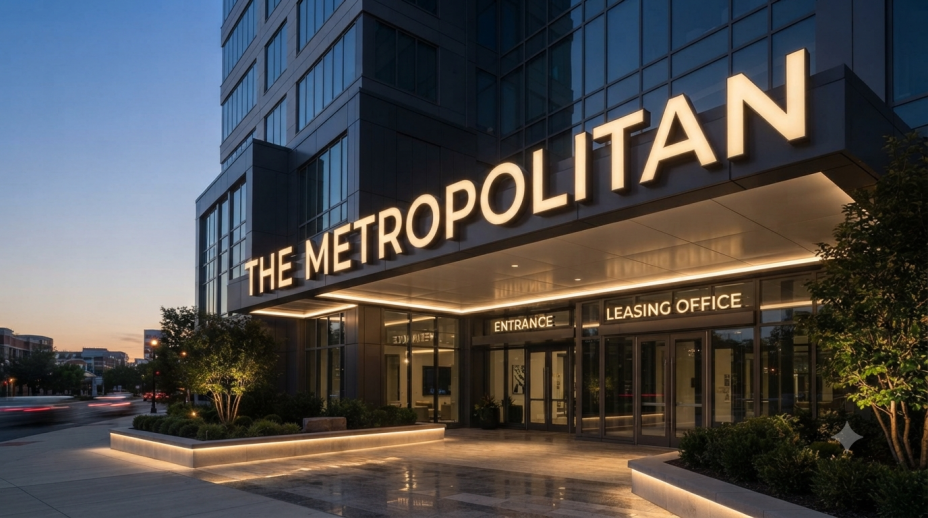
Walking down a bustling metropolitan avenue after sunset, the urban landscape transforms into a glowing gallery of corporate identity. Above the pedestrian rush, architectural facades come alive with vibrant illumination, guiding visitors, establishing brand authority, and defining the character of modern commercial districts. At the very center of this visual symphony are high-impact architectural displays commonly known as channel sign letters. These three-dimensional building blocks of visual communication represent an intricate marriage of industrial design, advanced illumination technology, structural engineering, and strategic marketing. When businesses invest in custom dimensional signage, they are not merely purchasing a functional locator; they are commissioning a permanent nighttime ambassador that shapes public perception and drives foot traffic. The process of designing, manufacturing, and installing these luminous structures requires a profound understanding of materials, regulatory compliance, and human psychology. Every curve of a typeface, every nuance of color temperature, and every millimeter of return depth plays a critical role in how a brand is perceived from across a crowded boulevard or a multi-lane highway. As cities grow denser and competition for consumer attention intensifies, the role of dimensional signage becomes increasingly sophisticated, demanding innovative approaches to energy efficiency, weather resistance, and architectural integration.
The Genesis of Dimensional Visual Identity
Long before the advent of modern polymers and light-emitting diodes, early merchants relied on hand-painted wooden boards and hanging iron placards to announce their trades to the street. As commerce expanded and urban environments grew more vertical, the need for bolder, more visible identification became paramount. The transition from flat painted signs to three-dimensional lettering marked a revolutionary turning point in architectural branding. Early innovators discovered that lifting letters off the building facade and giving them physical depth fundamentally changed how light and shadow interacted with the typography. This physical displacement allowed signage to catch ambient sunlight during the day and cast dramatic silhouettes as the afternoon shadows lengthened. However, the true transformation occurred when craftsmen began integrating internal illumination sources, turning static metal shapes into glowing beacons. This historical shift laid the groundwork for contemporary fabrication methods, moving away from crude incandescent bulbs strung along exposed metal cages toward sleek, seamless, weather-sealed acrylic and aluminum masterpieces. Understanding this historical progression helps modern brand managers appreciate the engineering feats required to produce lightweight, structurally sound, and aesthetically flawless architectural displays that can withstand decades of punishing weather conditions without losing their visual appeal.
What is the historical significance of dimensional depth in modern commercial signage?
Physical depth transforms flat typography into an architectural element that interacts dynamically with natural sunlight and ambient street lighting throughout the day and night. By pulling letters away from the building facade, fabricators create natural shadows that enhance legibility and lend a sense of permanence, stability, and high-end craftsmanship to the corporate identity being displayed.
Engineering the Anatomy of Modern Signage
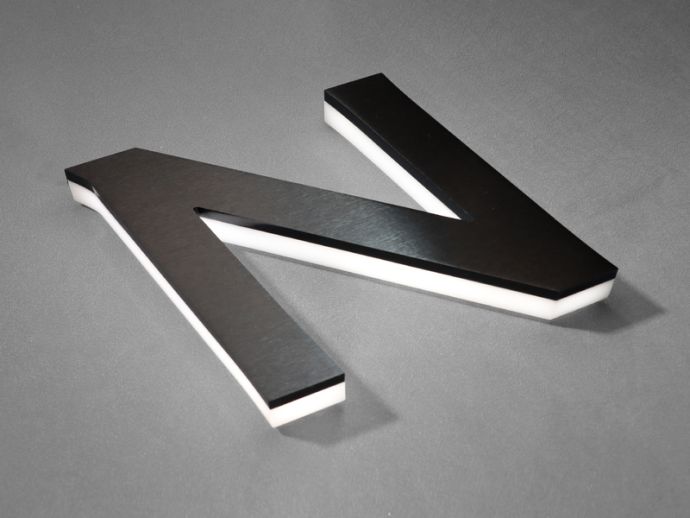
The construction of a professional dimensional sign is a complex engineering task that demands precision fabrication, high-grade materials, and meticulous quality control. Every letter begins life as a digital vector file, which is then translated into precise cutting instructions for automated computer numerical control routers and laser cutters. The structural body, known as the return, is typically fabricated from sturdy yet lightweight aluminum coils that are bent to match the precise contours of the typeface. These returns are then joined to the backer plate using specialized welding techniques or high-strength structural adhesives to create a completely sealed, rigid shell capable of enduring high winds and severe weather events. The face of the display is almost universally crafted from high-grade acrylic or polycarbonate sheets, chosen for their superior light diffusion properties, impact resistance, and ultraviolet stability. Inside this hollow shell lies the illumination engine, which must be carefully arranged to eliminate hot spots, dark corners, and uneven lighting distribution. The entire assembly undergoes rigorous electrical testing and weather-proofing checks before leaving the workshop, ensuring that it meets strict safety certifications and local electrical codes. This meticulous construction process guarantees that the final product will maintain its structural integrity and vibrant appearance for many years of continuous outdoor exposure.
How do manufacturers ensure structural durability against extreme weather conditions?
Fabricators utilize marine-grade aluminum alloys, corrosion-resistant fasteners, and specialized silicone sealants to protect the internal electrical components from moisture intrusion, heavy rain, and freezing temperatures. Additionally, internal bracing and engineered mounting rails are integrated into the back of each letter to distribute wind loads evenly across the building facade, preventing structural failure during severe storms.
The Illumination Evolution and Visual Psychology
Illumination is the heartbeat of modern architectural branding, dictating how a business communicates its presence long after the sun has set. Over the past few decades, the sign industry has witnessed a complete revolution in lighting technology, moving away from high-voltage neon tubing and energy-hungry fluorescent lamps toward highly efficient solid-state lighting solutions. Today, specialized light-emitting diode modules dominate the market, offering incredible energy savings, exceptional longevity, and precise color rendering capabilities. Beyond the choice of light source, the configuration of the illumination style fundamentally changes the mood and personality of the brand. Front-lit designs deliver maximum daytime visibility and a bold, direct punch of color, making them the preferred choice for high-traffic retail centers and busy commercial corridors. Conversely, reverse-lit or halo-lit configurations cast a soft, sophisticated glow against the building wall, creating an aura of exclusivity and understated elegance that is highly favored by corporate headquarters, upscale restaurants, and luxury boutiques. Furthermore, the strategic management of color temperature, ranging from warm inviting ambers to crisp daylight whites, allows brand owners to evoke specific psychological responses from passersby, directly influencing brand affinity and customer acquisition rates.
How does lighting configuration impact brand perception and visibility?
The choice between direct frontal illumination and indirect halo lighting establishes the emotional tone of the business, balancing high-impact legibility with architectural subtlety. Front-lit configurations prioritize maximum readability from long distances, whereas halo-lit designs create an upscale, prestigious ambiance by emphasizing texture and shadow on the building surface.
Strategic Planning and Regulatory Navigation
Embarking on a comprehensive exterior branding project requires far more than aesthetic vision and creative typography; it demands a thorough understanding of local municipal codes, zoning laws, and architectural guidelines. Every city and municipality maintains strict ordinances regarding maximum allowable sign sizes, total square footage, projection distances, illumination brightness levels, and allowable color palettes. Navigating these complex regulatory frameworks requires early consultation with experienced permit expeditors and sign professionals who understand how to design displays that comply with local statutes without compromising brand identity. Furthermore, strategic placement must take into account pedestrian sightlines, vehicular traffic speeds, and competing visual clutter along the streetscape. A sign that looks magnificent on a computer screen may fail in the real world if it is obscured by mature street trees, overhead utility lines, or competing architectural overhangs. Comprehensive site surveys, professional wind-load calculations, and meticulous engineering drawings must be submitted to local building departments to secure the necessary permits before fabrication even begins. This rigorous planning phase ensures that the final installation proceeds smoothly, avoiding costly redesigns, regulatory fines, or project delays that could impact grand opening schedules.
Why is comprehensive regulatory planning essential before sign fabrication begins?
Local zoning laws and municipal ordinances dictate strict limitations on size, brightness, and placement to prevent visual pollution and ensure public safety along public right-of-ways. Securing approvals early prevents costly fabrication errors, eliminates legal penalties, and ensures that the finished installation complies fully with all structural and electrical building codes.
Precision Installation and Mounting Methodologies
The culmination of any branding project is the physical installation of the letters onto the building facade, a delicate operation that requires specialized equipment, skilled labor, and uncompromising safety protocols. Depending on the architecture of the building, mounting teams utilize various techniques, such as raceway mounting, direct flush mounting, or wire mesh backing systems. A raceway is a pre-wired rectangular metal box that houses the power supplies and serves as a mounting base for the entire sign array, significantly reducing the number of penetration holes required in the building exterior and simplifying future maintenance access. Alternatively, direct flush mounting involves attaching each individual letter directly to the wall surface, with all electrical wiring concealed neatly behind the wall cavity for a clean, seamless, architectural finish. Installers must work at elevated heights using boom lifts, scaffolding, or rigging equipment while managing heavy components, electrical connections, and precise leveling measurements. Safety harnesses, traffic control measures, and clear communication among the crew are critical during this phase to protect workers, pedestrians, and surrounding property. Once the mounting is complete, rigorous testing of all electrical circuits, waterproof seals, and structural anchors ensures that the installation is secure, compliant, and ready to perform flawlessly in all weather conditions.
What are the practical advantages of using a raceway mounting system?
A raceway system consolidates all electrical power supplies and wiring into a single pre-fabricated enclosure, which minimizes the number of holes required to penetrate the building facade. This approach streamlines the installation process, reduces labor hours, simplifies future electrical maintenance, and often satisfies landlord requirements by preserving the integrity of the building exterior.
Lifecycle Management, Maintenance, and Sustainable Futures
Investing in high-end architectural signage is a long-term commitment that requires proactive maintenance and lifecycle management to protect the initial capital outlay and maintain a pristine corporate image. Over time, exposure to ultraviolet radiation, airborne pollutants, wind-blown debris, and extreme temperature fluctuations can take a toll on the exterior finishes, acrylic faces, and internal electrical systems. Establishing a routine inspection schedule allows maintenance teams to identify minor issues, such as flickering modules, compromised seals, or accumulated surface grime, before they escalate into costly failures that diminish brand visibility. Modern advances in sign fabrication are increasingly focused on sustainability, utilizing recyclable aluminum, energy-efficient power supplies, and eco-friendly polymers that minimize the environmental footprint of the manufacturing process. Furthermore, the integration of smart lighting controls, such as automated photocells and programmable dimming schedules, allows businesses to optimize energy consumption during late-night hours while extending the operational lifespan of the illumination components. By prioritizing regular upkeep and sustainable design practices, organizations ensure that their dimensional displays continue to shine brightly, projecting an image of reliability, quality, and forward-thinking professionalism to every customer who passes by.
What measures ensure the long-term energy efficiency of illuminated architectural displays?
The integration of low-voltage LED modules combined with automated astronomical time clocks and ambient light sensors ensures that illumination operates only when necessary and at optimal brightness levels. These smart energy management practices significantly reduce electricity consumption, lower operational costs, and maximize the lifespan of the lighting components, reinforcing the value of channel letters in modern sustainable building design.