Among the world’s many prized coffee varieties, few inspire as much fascination, admiration, and conversation as Geisha coffee. Sometimes spelled Gesha, this rare and exceedingly delicate cultivar has risen from near obscurity to become a celebrated icon in specialty coffee competitions and high-end cafés across the globe. With prices often reaching extraordinary levels at auctions, Geisha coffee has become not only a beverage but an experience—one defined by its extraordinary aromatics, its ethereal flavor structure, and the mystique that surrounds its origin.
It is a variety that challenges conventional notions of what coffee can taste like. Floral, layered, tea-like, intensely aromatic, and often profoundly sweet, Geisha coffee pushes the boundaries of specialty coffee and reshapes the expectations of both professionals and enthusiasts. Its allure lies not only in its sensory qualities but also in its story—a story of rediscovery, terroir, meticulous cultivation, and a relentless pursuit of excellence.
This article explores the full depth of Geisha coffee: its origins, agronomic characteristics, sensory attributes, processing methods, and its significance in the global coffee landscape. Written with the eye of a professional coffee practitioner, this guide aims to illuminate why Geisha coffee commands such reverence and how it continues to influence the craft and culture of specialty coffee.
Geisha coffee is renowned for its floral aroma, delicate sweetness, and tea-like clarity, but its caffeine content is often misunderstood. Despite its premium status and distinctive flavor profile, Geisha coffee typically contains slightly less caffeine than many common Arabica varieties. This is due to its bean structure, lower density, and the way it is typically roasted—often lighter to preserve its complex aromatics. A standard cup of Geisha brewed using pour-over or filter methods generally contains 40–60 mg of caffeine per 100 ml, though exact amounts vary based on dose, grind size, and extraction time.
What makes Geisha interesting is that its bright, aromatic profile can create the perception of a stronger brew even when caffeine levels are moderate. As a result, drinkers sometimes assume Geisha is highly caffeinated, when in reality, it leans toward the lower end of the spectrum compared with many high-caffeine varieties like Robusta.
To determine caffeine more precisely, a caffeine calculator is useful. By entering variables such as brew ratio, roast level, and serving size, a caffeine calculator can estimate the actual caffeine in your cup of Geisha. Because Geisha beans are often brewed with higher coffee doses to highlight flavor, using a calculator helps avoid underestimating total caffeine intake.
1. A Journey Through Origins: The True Roots of Geisha Coffee
1.1 Ethiopia: The Birthplace of a Rare Variety
The Geisha coffee variety originates in the Gori Gesha forest of Ethiopia. Unlike many commercial cultivars, it is a landrace—a naturally occurring plant adapted over centuries to its native environment. These forests are known for their biodiversity and abundance of heirloom varieties, many of which possess extraordinary genetic traits.
At the time, Geisha was valued not for its cup profile but for its agricultural resilience.
1.2 From East Africa to Panama: A Rediscovery
Its yield was low, its branches brittle, and its cup quality unremarkable in most growing environments.
When the Peterson family isolated the Geisha variety on their high-altitude farms in Boquete and Volcán, they discovered an unprecedented flavor profile: intensely floral aromatics reminiscent of jasmine, layered citrus, and a clarity more akin to fine tea than traditional coffee.
1.3 The Rise to Stardom
In 2004, Geisha shocked the specialty coffee world when it debuted at the Best of Panama competition, winning with a score that redefined expectations of coffee quality. From that moment, Geisha became synonymous with premium excellence.
Since then, the variety has spread to Colombia, Guatemala, Costa Rica, Brazil, and other producing countries, though Panama remains the spiritual home of the modern Geisha phenomenon.
2. The Agronomic Rarity:
2.1 Low Yield and Fragility
Geisha plants produce fewer cherries compared to most commercial varieties. Their branch structure is elongated and delicate, making them susceptible to breakage from wind or heavy fruit load.
This low yield contributes significantly to the high cost of Geisha coffee.
2.2 Specific Terroir Requirements
Geisha thrives only under very particular conditions, including:
High elevation, typically above 1,700 meters Cool, stable microclimates Volcanic or nutrient-rich soils Ample shade Low humidity and consistent cloud cover
Even small deviations from these conditions can lead to a flavor profile that lacks the distinctive characteristics consumers expect.
2.3 High Production Cost
Producing exceptional Geisha coffee requires:
Meticulous pruning Gentle harvesting practices Selective picking Careful shade management Intensive quality control at every stage
The combination of low yield and high labor investment makes Geisha coffee one of the most expensive coffees to produce.
3. The Sensory Identity of Geisha Coffee
What sets Geisha apart from other varieties is not just rarity but its extraordinary sensory profile.
3.1 Aroma: The First Encounter
The aroma of Geisha coffee is unmistakable. Common descriptors include:
Jasmine Bergamot Rose Orange blossom Black tea aromatics
These floral notes are so intense that they often dominate the aroma experience before the first sip.
3.2 Flavor Notes: A Symphony of Elegance
Geisha is prized for its clarity and complexity. On the palate, one can often detect:
Citrus fruits (bergamot, mandarin, Meyer lemon) Stone fruits (peach, apricot) Tropical fruits (papaya, mango, lychee) Honey-like sweetness Tea-like structure
Unlike heavier-bodied coffees, Geisha is celebrated for its light, refined elegance.
3.3 Acidity: Bright but Balanced
Geisha typically displays a vibrant yet delicate acidity. Instead of sharpness, it exhibits a rounded, sparkling acidity that enhances sweetness.
3.4 Body and Mouthfeel
Geisha is not a full-bodied coffee. Its mouthfeel is:
Silky Elegant Sometimes almost weightless
This delicate structure is part of its charm.
3.5 Finish and Aftertaste
Geisha often delivers a long, clean, and floral finish, with lingering notes of:
Jasmine Bergamot Sweet citrus or honey
4. Processing Methods
Geisha coffee’s processing method dramatically shapes its final cup profile.
4.1 Washed Geisha
The washed process highlights:
Clarity Floral aromatics Tea-like structure Complex acidity
4.2 Natural Geisha
Natural-processed Geisha delivers:
Tropical fruit intensity Jammy sweetness Lower acidity Heavier aroma
4.3 Honey and Anaerobic Geisha
Innovative processing methods have become increasingly common:
Honey process enhances sweetness and smoothness
Anaerobic fermentation amplifies fruit intensity and complexity
Carbonic maceration can introduce wine-like characteristics
These experimental methods demonstrate the genetic versatility of the Geisha variety and expand its flavor potential.
5. Brewing Geisha Coffee: Showcasing Its Best Attributes
Brewing Geisha coffee requires intentionality. Its delicate profile can easily be overshadowed or muted by poor technique.
5.1 Recommended Brewing Methods
The best methods for highlighting Geisha’s elegance include:
Flat-bottom drippers like Kalita Wave Precision brewers with controlled temperature Siphon brewing for aromatic intensity
Espresso is possible but extremely difficult to perfect, as the pressure can compress its delicate aromatic layers.
5.2 Key Brewing Principles
To maximize clarity:
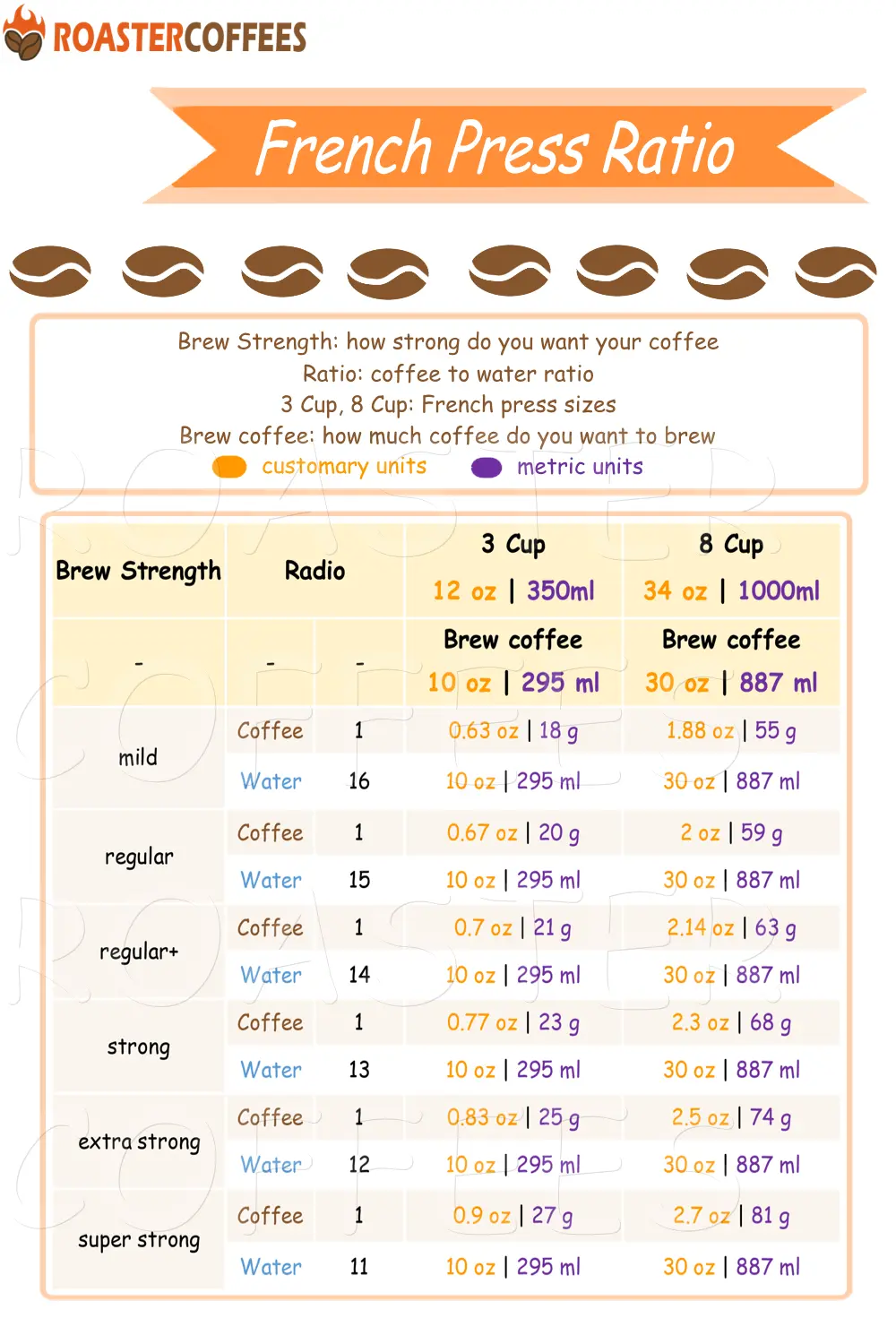
Use a higher water-to-coffee ratio, such as 1:16 Select filtered water with moderate mineral content Maintain a temperature slightly below boiling (90–94°C / 194–202°F) Aim for longer brew times for clarity Grind slightly coarser than for typical pour-over
5.3 Sensory Calibration During Cupping
When cupping Geisha professionally:
Expect strong floral aromatics in the dry fragrance Look for delicate acidity and sweetness balance Evaluate clarity and complexity without milk or additives Record aromatic evolution as the cup cools
Geisha often reveals its fullest character at lower drinking temperatures.
6. Geisha Coffee in Competition and Marketplace
6.1 Why Geisha Dominates Competitions
Geisha’s profile aligns perfectly with the scoring criteria of specialty competitions:
High clarity Pronounced aromatics Distinctive flavor separation Unique terroir expression
World Barista Champions and Brewers Cup Champions frequently use Geisha coffees because judges reward these exceptional traits.
6.2 The Economics of Scarcity and Prestige
Auction prices for Geisha coffee have reached:
$500 per pound $1,000 per pound Even over $2,000 per pound in rare cases
These prices reflect:
Limited availability High production cost Exceptional quality Brand value associated with the Geisha name
6.3 Consumer Perception and Evolving Demand
Consumers often view Geisha as a luxury coffee experience. Many try it once as a special occasion drink; others seek out multiple origins to compare terroir expression. The increasing availability of Geisha outside Panama has broadened its accessibility while maintaining its prestige.
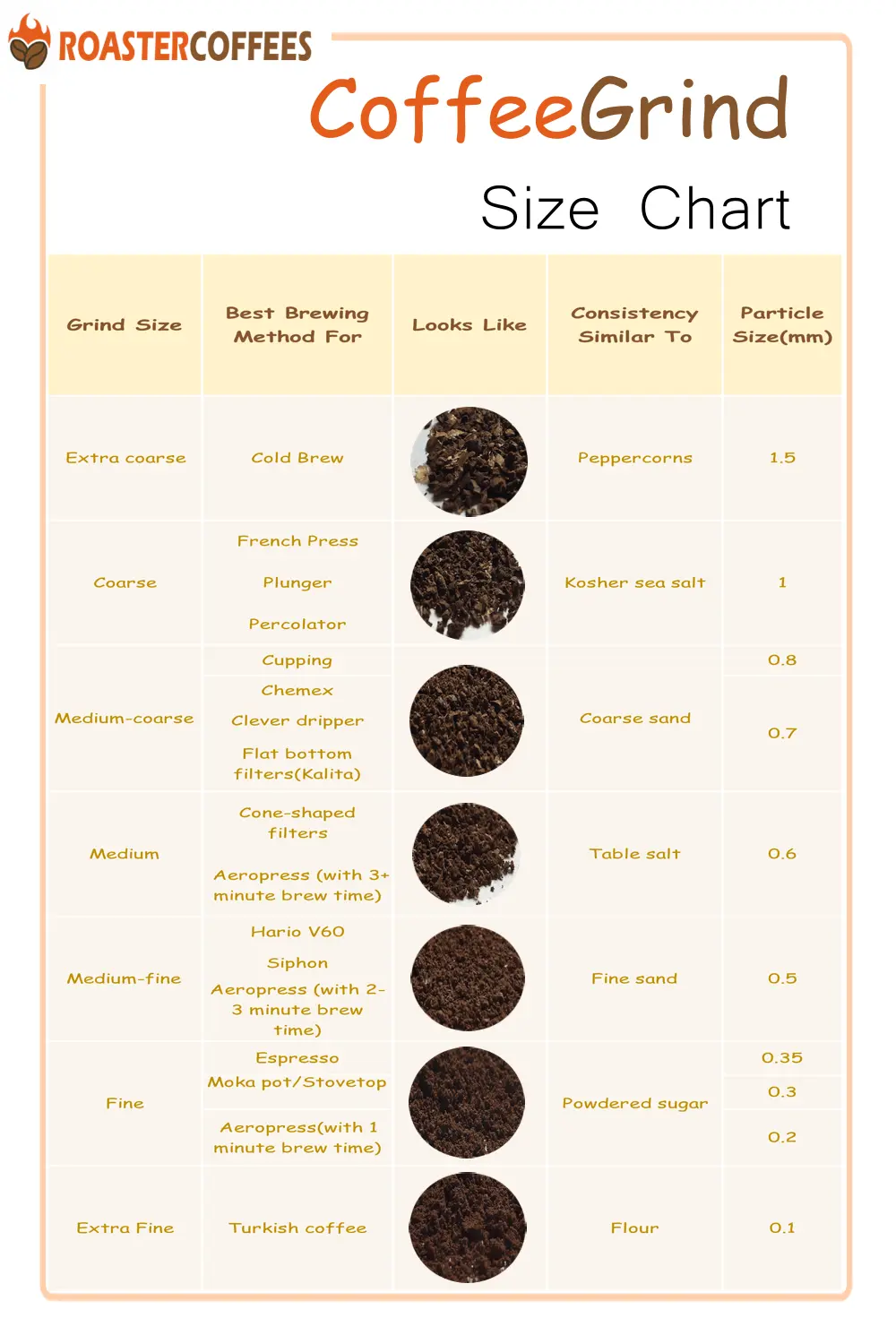
Geisha coffee is celebrated for its delicate florals, jasmine-like aromatics, and tea-like clarity, which means choosing the correct coffee grind size is essential for preserving its nuanced flavor. Unlike bold or heavy-bodied coffees, Geisha performs best when brewed with methods that highlight clarity—such as pour-over, Chemex, or light immersion techniques. For these methods, a medium to medium-fine grind is usually ideal. This grind size allows water to extract the complex aromatics without pushing the brew into bitterness or muddiness. Too fine a grind can over-extract Geisha’s delicate acids, resulting in harshness, while too coarse a grind can flatten its signature floral and citrus notes.
A coffee grind size chart is extremely helpful when dialing in a Geisha coffee. On such a chart, Geisha typically aligns with the grind settings recommended for V60, Kalita Wave, or Chemex—ranging from medium-fine (like table salt) to medium-coarse (slightly coarser than beach sand), depending on the brewer. The chart gives visual reference points that ensure greater consistency, which is crucial because Geisha’s flavor profile is highly sensitive to small grind adjustments.
Different brewing devices also influence the best grind size. For V60, a medium-fine grind enhances clarity and highlights Geisha’s sweetness. For Chemex, a medium-coarse grind reduces over-extraction and enhances its clean, tea-like finish. For immersion brewers like AeroPress or Switch brewers, a medium grind allows balanced extraction without muting aromatics. Even for espresso-based experiments with Geisha, baristas typically grind slightly coarser than standard espresso to avoid overwhelming the coffee’s delicate character.
Roast level and bean density also matter. Light-roasted Geisha beans, which are common, are harder and may require a slightly finer grind for optimal extraction. Using a coffee grind size chart helps adjust these variables precisely, ensuring that each brew captures Geisha’s rare and elegant sensory complexity.
7. Misconceptions and Clarifications
7.1 Geisha vs. Gesha: The Name Debate
The original name is Gesha, referencing the Ethiopian region. The spelling “Geisha” became popular through early Panamanian exports. Today, both terms are accepted, but purists advocate for Gesha as more historically accurate.
7.2 Not All Geisha Is Exceptional
Geisha only shows its magical character under ideal conditions. Poorly grown or processed Geisha can taste:
Thin Muted Astringent Ordinary
The variety itself does not guarantee extraordinary flavor.
7.3 Geisha Is Not a Flavor; It Is a Variety
8. The Future of Geisha Coffee
Geisha continues to shape specialty coffee in profound ways.
8.1 Innovations in Processing
Producers experiment with:
Controlled fermentations Yeast inoculation Extended anaerobics Carbonic maceration
These methods aim to expand Geisha’s already complex profile.
8.2 Genetic Preservation
As Geisha becomes more commercially valuable, genetic diversity and preservation efforts in Ethiopia are gaining priority. Protecting the Gesha forest ensures the future of this extraordinary cultivar.
8.3 Influence on Consumer Palates
Geisha has pushed consumers toward:
More floral, aromatic coffees Higher-quality micro-lots Single-origin, terroir-focused buying
It has expanded the global understanding of what coffee can be.
Conclusion: The Enduring Magic of Geisha Coffee
Geisha coffee’s allure is no accident. It is the result of rare genetics, demanding agricultural conditions, meticulous processing, and terroir expression that reveals coffee’s highest potential. Its sensory profile—floral, refined, and radiant—has captivated baristas, roasters, judges, and enthusiasts worldwide.
It teaches us that excellence is not achieved through shortcuts but through commitment, passion, and deep respect for the land.
To drink Geisha coffee is to experience a chapter of coffee history, a celebration of biodiversity, and a testament to the art and science of specialty coffee.
Its allure is not merely in its rarity but in the way it invites us to taste coffee with heightened awareness, curiosity, and appreciation.
References:
Several Things To Add To Your Coffee: Elevate Your Coffee Experience
How to Choose and Maintain Your Home Coffee Grinder