How To Choose And Maintain A Home Coffee Grinder
In professional coffee practice, the grinder is often regarded as more critical than the brewing device itself. While brewing methods receive considerable attention, it is the grinder that determines particle size distribution, extraction uniformity, and ultimately the clarity, balance, and repeatability of the cup. For home coffee enthusiasts seeking to elevate their brewing results, investing in the right grinder—and maintaining it properly—is not optional. It is foundational.

This comprehensive guide examines how to select and maintain a home coffee grinder from a technical and professional perspective. We will explore grinder types, burr geometry, motor performance, grind consistency, workflow considerations, cleaning protocols, and long-term maintenance strategies. The objective is to equip you with the knowledge required to make informed decisions and preserve performance over time.
The relationship between caffeine content and coffee grind size is primarily governed by extraction efficiency. Grind size determines the surface area of coffee exposed to water, which directly affects how quickly and thoroughly caffeine is extracted during brewing.
Finer grinds have a larger surface area, allowing water to extract caffeine more rapidly. This is why methods like espresso, which use very fine grounds, can achieve high caffeine concentration in a short time. However, this does not always mean more total caffeine—just faster extraction. If the brew time is short, total caffeine may still be moderate.
In contrast, coarser grinds extract caffeine more slowly due to reduced surface area. Brewing methods like French press or cold brew compensate with longer contact times, allowing sufficient caffeine to be extracted despite the larger particle size. In these cases, total caffeine content can equal or even exceed that of finer grinds, depending on brew duration and ratio.
Grind size alone does not determine caffeine content; it must be considered alongside brew time, temperature, and coffee-to-water ratio. For example, a fine grind with a short brew time may extract less total caffeine than a coarse grind steeped for hours.
To accurately estimate caffeine levels across different grind sizes and brewing methods, a caffeine calculator is highly useful. It integrates variables like grind size, brew time, and dosage to provide a more precise understanding of caffeine extraction and consumption.
1. Why the Grinder Matters More Than You Think
Before selecting a grinder, it is important to understand its role in the brewing process.
Coffee extraction depends on the interaction between water and the surface area of ground coffee. This surface area is determined entirely by grind size and distribution. An inconsistent grind produces a mixture of:
Over-extracted fines (bitter, harsh)
Under-extracted boulders (sour, weak)
This imbalance leads to a cup that lacks cohesion. Even with high-quality beans and precise brewing technique, poor grinding will limit results.
A high-quality grinder ensures:
Uniform particle size
Predictable extraction rates
Improved flavor clarity
Greater control over brewing variables
In professional settings, grinders are calibrated daily. At home, while conditions are less demanding, the principle remains the same: consistency is everything.
2. Blade vs Burr Grinders: A Fundamental Distinction
The first decision when choosing a grinder is whether to use a blade grinder or a burr grinder.
2.1 Blade Grinders
While affordable and widely available, they suffer from significant drawbacks:
Inconsistent particle size
Heat generation during grinding
Lack of precise grind adjustment
Blade grinders produce uneven extraction, making them unsuitable for anyone pursuing quality-focused brewing.
2.2 Burr Grinders
They are the industry standard for both home and professional use.
Advantages include:
Consistent grind size
Adjustable settings for different brew methods
Reduced heat transfer
Predictable performance
For serious coffee preparation, burr grinders are essential.
3. Burr Types and Their Impact on Grinding Performance
Within burr grinders, there are two primary burr geometries:
3.1 Flat Burrs
Flat burrs consist of two parallel discs. Beans are fed between them and ground to a uniform size.
Characteristics:
High grind consistency
Narrow particle distribution
Enhanced clarity in the cup
Faster grinding speed (in many models)
Flat burr grinders are often preferred in professional environments where clarity and precision are prioritized.
3.2 Conical Burrs
Characteristics:
Lower noise levels
Reduced retention (in some designs)
Greater tolerance for minor misalignment
Slightly broader particle distribution
Conical burr grinders are common in home setups due to their reliability and ease of use.
4. Matching Grinder to Brewing Method
Different brewing methods require different grind sizes. A versatile grinder must accommodate this range.
Espresso: Fine grind, high precision required
Pour-over: Medium to medium-fine grind
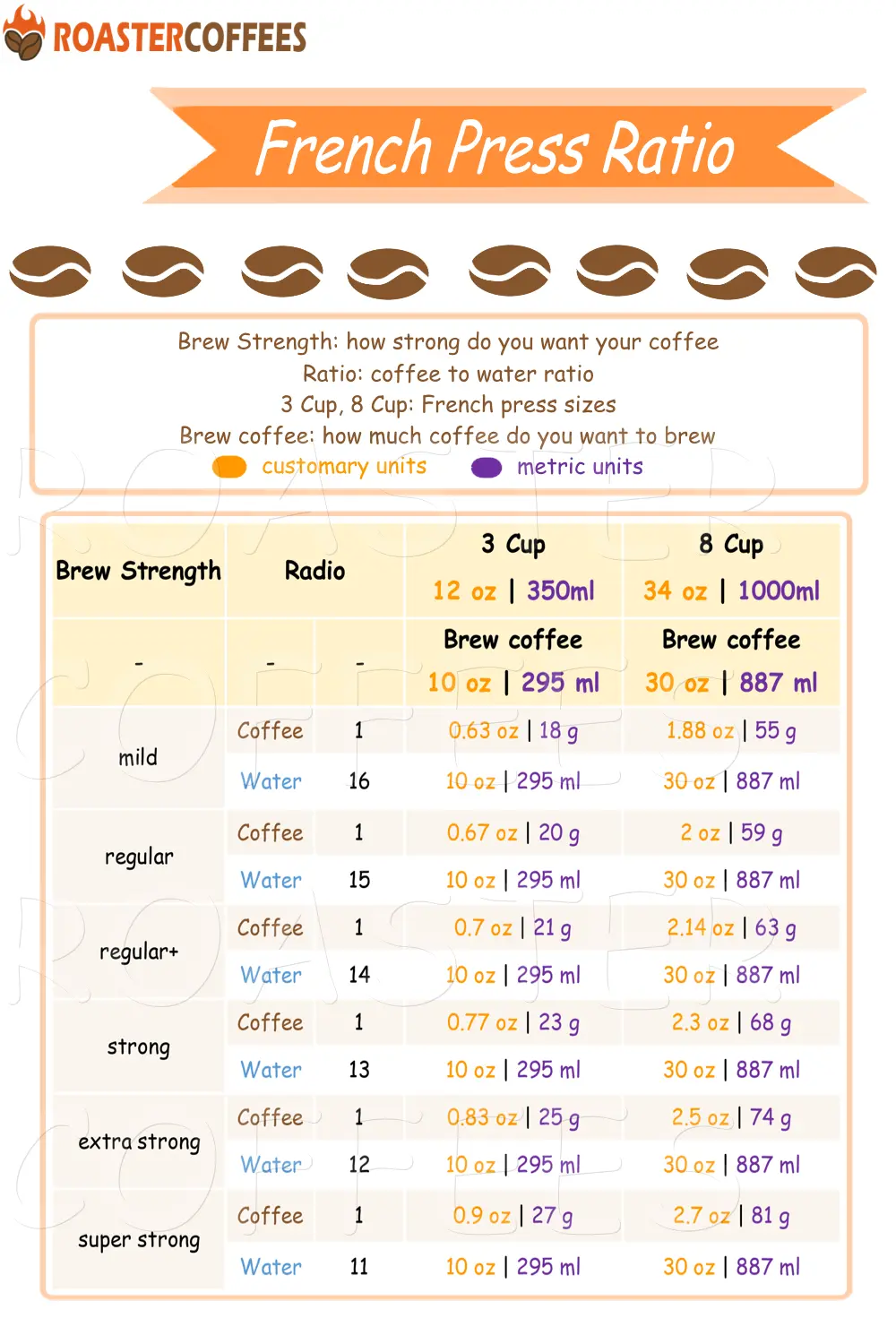
French press: Coarse grind
Cold brew: Coarse to extra coarse
Not all grinders perform equally across this spectrum. Entry-level grinders may struggle with espresso-level precision, while high-end grinders can handle all grind sizes effectively.
When choosing a grinder, consider your primary brewing method. If espresso is your focus, invest in a grinder designed specifically for fine grind adjustment.
5. Grind Adjustment Systems
Grind size adjustment mechanisms vary between grinders.
5.1 Stepped Adjustment
Stepped grinders use predefined settings. Each click represents a fixed change in burr spacing.
Advantages:
Easy to use
Repeatable settings
Limitations:
Less precise for fine-tuning
May not allow optimal adjustment for espresso
5.2 Stepless Adjustment
Stepless grinders allow continuous adjustment.
Advantages:
Maximum precision
Ideal for dialing in espresso
Limitations:
Requires more skill to use
Settings are less easily repeatable
Professionals typically prefer stepless systems for their flexibility.
6. Motor Power and Grinding Speed
Motor performance influences grinding efficiency and heat generation.
High-quality grinders use motors designed for:
Low RPM (reducing heat)
Consistent torque
Quiet operation
Excessive heat during grinding can alter volatile compounds in coffee, affecting flavor. While this is more critical in commercial environments, it remains relevant at home.
7. Retention and Workflow Efficiency
Low retention is desirable because:
It reduces waste
Prevents stale grounds from contaminating fresh coffee
Improves dose accuracy
Single-dose grinders, which grind only the amount needed for each brew, are becoming increasingly popular among enthusiasts.
8. Build Quality and Materials
Durability is a key consideration.
High-quality grinders often feature:
Stainless steel burrs
Metal housings
Stable bases to reduce vibration
Plastic components are more common in entry-level models but may wear over time.
Investing in a durable grinder reduces long-term cost and ensures consistent performance.
9. Noise Considerations
Grinding coffee produces noise, but design differences can minimize it.
Insulated housings and slower motor speeds also reduce noise levels.
For home environments, especially shared spaces, noise may be a practical concern.
10. Maintenance: Why It Matters
A grinder is a mechanical system subject to wear, oil buildup, and residue accumulation.
Common issues include:
Reduced grind consistency
Increased retention
Off-flavors from rancid oils
Mechanical wear
Regular maintenance preserves both flavor quality and equipment longevity.
11. Cleaning Your Coffee Grinder
11.1 Frequency
Light use: Clean every 2–4 weeks
Heavy use: Clean weekly
11.2 Dry Cleaning
Use a brush to remove loose grounds from burrs and chamber. This prevents buildup and maintains airflow.
11.3 Deep Cleaning
Disassemble the grinder according to manufacturer instructions. Clean burrs thoroughly, removing oil residue.
Avoid water unless explicitly recommended. Moisture can damage burrs and internal components.
11.4 Cleaning Pellets
Specialized grinder cleaning pellets can absorb oils and remove residue without disassembly. These are useful for routine maintenance.
12. Burr Wear and Replacement
Signs of worn burrs include:
Increased grinding time
Inconsistent particle size
Loss of flavor clarity
Typical lifespan:
Home use: 2–5 years
Heavy use: 1–2 years
Replacing burrs restores performance without replacing the entire grinder.
13. Calibration and Alignment
In high-end grinders, burr alignment significantly affects performance.
Misaligned burrs produce uneven particle sizes. Some advanced users perform alignment adjustments to achieve optimal grind uniformity.
While not necessary for most home users, understanding alignment highlights the precision required for high-level coffee preparation.
14. Storage and Environmental Considerations
Keep grinders in a clean, dry environment. Avoid exposure to:
Moisture
Excessive heat
Direct sunlight
Beans stored in the hopper for extended periods can oxidize. For best results, store beans separately and grind only what you need.
The relationship between coffee grind size and coffee grinders is fundamental to achieving consistent extraction and optimal flavor. Coffee grinders are the tools that determine particle size, and their precision directly affects how accurately you can match grind size to a specific brewing method. Because extraction depends heavily on surface area and uniformity, the grinder’s performance becomes a critical variable.
There are two main types of grinders: blade grinders and burr grinders. Blade grinders chop beans unevenly, producing a mix of fine and coarse particles. This inconsistency leads to uneven extraction—some particles over-extract while others under-extract—resulting in a muddled flavor profile. In contrast, burr grinders (flat or conical) crush beans into uniform particles, allowing for precise control over grind size and more predictable brewing outcomes.
A coffee grind size chart serves as a practical reference for aligning grinder settings with brewing methods. For example, espresso requires a fine grind, drip coffee uses a medium grind, and French press requires a coarse grind. High-quality burr grinders often include adjustable settings that correspond closely to positions on a coffee grind size chart, enabling repeatable results.
Ultimately, the grinder is the mechanism, and grind size is the outcome. Using a reliable grinder in combination with a coffee grind size chart ensures consistency, balanced extraction, and a higher-quality cup of coffee.
15. Common Mistakes to Avoid
Using blade grinders for specialty coffee
Neglecting cleaning routines
Grinding beans too far in advance
Using incorrect grind size for the brew method
Ignoring burr wear
Avoiding these mistakes significantly improves cup quality.
16. Long-Term Ownership Strategy
A high-quality grinder is a long-term investment.
Key practices include:
Regular cleaning
Periodic burr replacement
Consistent calibration checks
Using fresh, high-quality beans
A well-maintained grinder ensures that improvements in beans and brewing technique are fully realized.
Conclusion: The Grinder as the Foundation of Quality
Choosing and maintaining a home coffee grinder is not merely a technical decision—it is a commitment to quality. The grinder defines the starting point of extraction, influencing every variable that follows.
A well-selected grinder provides consistency, control, and flexibility. Proper maintenance ensures that these qualities are preserved over time. Together, they form the foundation of exceptional coffee at home.
For professionals and enthusiasts alike, mastery begins not at the kettle or the espresso machine, but at the grinder. Precision at this stage enables clarity in the cup—and clarity is the hallmark of truly great coffee.
References:
Mastering Cold Brew Coffee: A Professional Exploration of Technique, Chemistry, and Craft
The Essential Craft: Why We Roast Coffee