To make sure your calendar, event reminders, and other features are always
correct, please tell us your time zone (and other details) using the
drop-down menus below:
Set Date/Time format:
In 12 Hour format the hours will be displayed as 1 through 12 with “a.m.” and “p.m.”
displayed after the time (ex. 1:00p.m.). In 24 hour format the hours will be displayed as 00 through 23 (ex. 13:00).
You can always change your time zone by going to your Account Settings.
Use the dropdown menu to view the events in another time zone. The primary time zone will be displayed in parentheses.
Use the dropdown menu to view the events in another time zone. The primary time zone will be displayed in parentheses.
Check the items that you want displayed. Uncheck all to hide the section.
Calendars
Files
Addresses
To Dos
Discussions
Photos
Bookmarks
The “Switch Navigator” button will no longer be available after February 14, 2017.
Please learn more about how to use the new Navigator by clicking this link.
Why Lead Flashings Matter on Pitched Roofs
Lead flashings serve a critical function in the durability and weatherproofing of pitched roofs. Their role in directing water away from vulnerable junctions prevents leaks that can compromise the structure beneath. For property owners and roofing professionals alike, learning why lead flashings matter on pitched roofs is essential for ensuring long-term protection and maintenance.
Many roof failures trace back to inadequate or improperly installed flashings, making these components a focus in restoration and new construction projects. This article provides a practical action plan to recognize, install, and maintain lead flashings effectively. Whether you are a homeowner safeguarding your investment or a contractor aiming for quality outcomes, the insights here will guide your next roofing decisions.
Core Functions of Lead Flashings on Pitched Roofs
Water Management at Roof Junctions
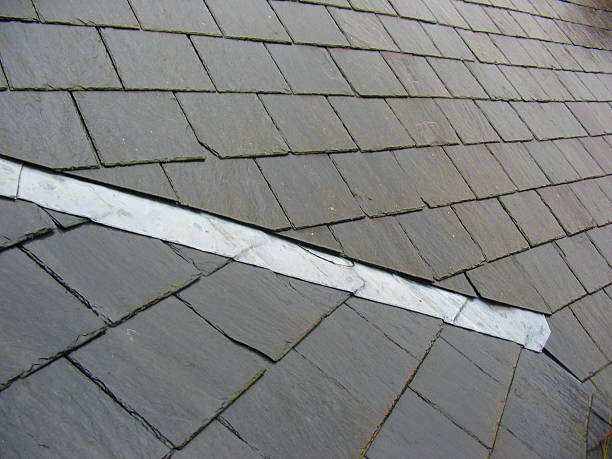
Lead flashings are strategically placed where the roof meets walls, chimneys, or valleys to channel rainwater away from seams. Without this protection, water can seep into the building envelope causing rot, mold, and structural damage. Their malleability allows them to form tight seals around irregular shapes, reducing the risk of water ingress significantly.
Unlike alternative materials, lead maintains its integrity under extreme weather conditions and resists corrosion over decades. This longevity helps maintain the roof's waterproofing continuously without frequent replacements. For those seeking reliable solutions, opting for lead flashings confirms a commitment to enduring roof performance.
Compatibility with Roof Materials
Lead flashings adapt well to various pitched roof coverings, including slate, tile, and metal. This versatility makes them a preferred choice in many roofing systems requiring precise weatherproofing measures. Their ability to integrate seamlessly with different materials minimizes the risk of mechanical failure at junction points.
In particular, slate roofing demands careful flashing installation due to its delicate and overlapping tiles. Choosing a slate roof restoration in London often involves experts skilled in fitting lead flashings that preserve the roof’s historical and aesthetic value. This specialization highlights the importance of professional knowledge when working with traditional roofing materials.
Thermal Movement Accommodation
Roofs expand and contract with temperature changes, and lead flashings flex accordingly without cracking. This flexibility is crucial in maintaining continuous protection as rigid flashings might fail under thermal stress. By accommodating movement, lead flashings reduce the likelihood of gaps forming over time, which could otherwise lead to leaks.
Properly installed lead flashings also help prevent stress on adjoining roof components, extending the overall lifespan of the roofing system. This practical benefit underscores why lead flashings matter on pitched roofs beyond their immediate waterproofing role.
Step-by-Step Installation Blueprint for Lead Flashings
Preparation and Site Assessment
Begin by inspecting the roof junctions where lead flashings will be installed. Clear away debris and damaged materials to create a clean surface for adhesion and fitting. Assess the roof pitch and existing coverings to determine the appropriate flashing dimensions and shape.
Accurate measurements prevent material waste and ensure a snug fit, which is vital for long-term durability. Taking time during this preparatory phase lays the foundation for a successful installation aligned with industry standards and building regulations.
Cutting and Shaping Lead
Lead sheets must be cut precisely to match the contours of the roof intersection. Skilled craftsmanship is required to bend and form the lead without causing cracks or weaknesses. Using traditional tools or modern equipment, the lead is shaped to overlap roof coverings and extend beneath adjacent materials for effective water shedding.
During this stage, attention to detail prevents future maintenance issues. The aim is to create a continuous, watertight barrier that integrates fully with the pitched roof structure.
Securing and Sealing Flashings
Once shaped, the lead flashing is fixed using appropriate mechanical fasteners and sometimes sealed with compatible mastics or soldering. Fasteners must be corrosion-resistant and installed to avoid compromising the lead’s waterproof properties. Proper sealing around edges and overlaps ensures no water can penetrate beneath the flashing.
Following recommended installation practices reduces the risk of nail sickness or other common flashing failures. This phase completes the waterproofing action and confirms the flashing's role in protecting the roof over its lifetime.
Common Challenges and Solutions in Lead Flashing Maintenance
Dealing with Corrosion and Wear
Although lead is resistant to corrosion, environmental factors like pollution can cause surface degradation over time. Regular inspections help identify early signs of wear, allowing timely repairs before leaks develop. Cleaning flashings and applying protective coatings can extend their service life.
When damage is extensive, partial replacement or overlay techniques may restore functionality without full roof replacement. Addressing these issues promptly avoids costly interventions later.
Managing Movement and Settlement
Structural shifts in the building or settling of roof components can loosen flashings. Flexible jointing materials and correctly sized lead lengths accommodate minor movements, reducing stress on fixings. Re-securing loose flashings during routine maintenance keeps the waterproof barrier intact.
Ignoring movement-related problems risks water penetration and damage to underlying structures. Proactive management ensures the flashing continues to fulfill its protective role effectively.
Integrating Flashings with Roof Renovations
During roof upgrades or repairs, existing flashings may need adjustment or replacement to match new coverings. Coordinating flashing work with slate roof contractors in London ensures compatibility with the restoration goals. This collaboration maintains the roof’s performance and appearance without compromising heritage or function.
Proper integration during renovations prevents future leaks and sustains the overall roof integrity for years to come.
Why Lead Flashings Matter on Pitched Roofs in Heritage and Modern Contexts
Preserving Historical Roofs
Many heritage properties rely on lead flashings to maintain their original roof character and weatherproofing. Using authentic materials and installation techniques preserves architectural value and complies with conservation guidelines. This careful approach protects both the building fabric and its historical significance.
Specialist advice is often necessary to balance modern performance standards with traditional craftsmanship. This ensures lead flashings continue to serve their purpose in historic roofs without detracting from their appearance.
Enhancing Modern Roofing Systems
Lead flashings remain relevant in contemporary pitched roofs due to their durability and flexibility. Modern building designs often incorporate complex junctions and penetrations requiring reliable waterproofing solutions. Lead flashings meet these demands effectively and adapt to innovative roofing materials.
Investing in quality lead flashing installation supports roof longevity, reduces maintenance costs, and improves overall building resilience. These benefits make them a preferred choice for new constructions and renovations alike.
Environmental and Longevity Considerations
Lead is a sustainable material with a long lifespan, reducing the need for frequent replacements and associated waste. Its recyclability further contributes to environmentally responsible roofing practices. Choosing lead flashings aligns with broader goals of sustainable building management and resource efficiency.
Property owners who prioritize durability and environmental impact recognize why lead flashings matter on pitched roofs in both traditional and modern settings.
Key Actions to Maximize Lead Flashing Performance
Regular Inspection and Maintenance
Scheduling routine roof inspections allows early detection of flashing issues such as cracks, corrosion, or displacement. Maintaining clean gutters and clear drainage paths complements flashing effectiveness by preventing water build-up. Timely repairs preserve the roof’s waterproofing and structural integrity.
A proactive approach to maintenance extends the lifespan of lead flashings and the entire pitched roof system, safeguarding against costly damage.
Engaging Qualified Professionals
Lead flashing installation and repair demand specialized skills and knowledge of roofing materials. Hiring trained contractors ensures adherence to best practices and building regulations. This is particularly important for projects involving slate roof restoration in London, where precision is critical.
Professional expertise guarantees that lead flashings perform their intended function without compromising aesthetics or safety.
Incorporating Complementary Roofing Elements
Lead flashings work best when combined with suitable underlays, roof battens, and proper valley detailing. Attention to these components creates a comprehensive waterproofing system that withstands weather exposure. For example, selecting appropriate materials for terrace roof replacement in London enhances the roof’s overall durability and appearance.
Integrating all elements thoughtfully ensures sustained protection and value from lead flashings.
Putting Strategy into Action for Reliable Roof Protection
Recognizing why lead flashings matter on pitched roofs is the first step toward effective roof management. Implementing a practical action plan involving proper installation, regular maintenance, and expert consultation ensures lasting waterproofing success. Prioritizing these strategies protects the building structure and extends the roof’s usable life.
Whether dealing with historic restoration or modern construction, lead flashings provide essential protection against the elements. By taking decisive steps now, property owners and professionals can secure the roof’s performance and prevent costly repairs down the line.
Embrace a proactive approach to lead flashing care, and your pitched roof will remain resilient, weatherproof, and structurally sound for decades.
A&A Roofing Solutions
Address: 17 Honey Lane, Waltham Abbey, United Kingdom
Creation date: Sep 5, 2026 11:10pm Last modified date: Sep 5, 2026 11:10pm Last visit date: Nov 12, 2026 12:08am
Attach this document to an event, task, or address
You can attach a link to this document to an event in your Calendar, a task in your To Do list or an Address. Check the boxes below for the data you want to
bring into the event’s or task’s description, and then click “Select text to copy” to have the next event or task you create or edit have the document text and link.