To make sure your calendar, event reminders, and other features are always
correct, please tell us your time zone (and other details) using the
drop-down menus below:
Set Date/Time format:
In 12 Hour format the hours will be displayed as 1 through 12 with “a.m.” and “p.m.”
displayed after the time (ex. 1:00p.m.). In 24 hour format the hours will be displayed as 00 through 23 (ex. 13:00).
You can always change your time zone by going to your Account Settings.
Use the dropdown menu to view the events in another time zone. The primary time zone will be displayed in parentheses.
Use the dropdown menu to view the events in another time zone. The primary time zone will be displayed in parentheses.
Visiting HVACRepair Hub(username: hvacrepairhub)
Tag
Please wait...
Select a Color
Manage Applications
Check the items that you want displayed. Uncheck all to hide the section.
Calendars
Files
Addresses
To Dos
Discussions
Photos
Bookmarks
The “Switch Navigator” button will no longer be available after February 14, 2017.
Please learn more about how to use the new Navigator by clicking this link.
How Does Regular HVAC Maintenance Improve Home Comfort?
Homeowners often prioritize comfort but may underestimate the role of their HVAC system in maintaining an ideal living environment. How does regular HVAC maintenance improve home comfort? This question guides a practical approach to keeping your home's heating, ventilation, and air conditioning functioning at peak performance.
Addressing this topic involves a clear action plan focused on routine upkeep, troubleshooting, and system optimization. The steps outlined here provide a blueprint to enhance indoor quality, temperature consistency, and energy efficiency through scheduled maintenance.
By adopting these practices, residents can expect not only improved comfort but also better equipment longevity and reduced utility costs. The following sections break down the essential tasks and their direct effects on home comfort.
Establishing a Maintenance Schedule for Consistent Comfort
Creating a Routine Inspection Plan
Establishing a regular inspection plan involves setting specific intervals for checking key HVAC components. This includes filters, coils, and electrical connections that influence system reliability. Consistent examinations prevent unexpected breakdowns and sustain temperature control within the home. Engaging with a reputable https://optimizedairflow.com/ service helps streamline the entire process and ensure dependable outcomes.
Scheduling professional tune-ups at least twice a year helps identify wear and tear before it impacts performance. A proactive approach ensures the system adapts to seasonal demands and maintains a balanced indoor environment.
Routine checks also include monitoring refrigerant levels and airflow, which are critical for efficient cooling and heating cycles. Maintaining these parameters supports steady household temperature control and reduces uneven room temperatures.
Tracking Maintenance Activities
Keeping detailed records of maintenance activities creates accountability and clarity on system health. Logs help technicians and homeowners understand what tasks have been completed and when further attention is needed. This documentation supports timely interventions that uphold comfort standards.
Homeowners benefit from tracking filter replacements and cleaning schedules to avoid lapses that degrade air quality. Regularly updated maintenance logs also facilitate better communication with service providers during annual appointments.
Incorporating reminders into electronic calendars or mobile apps can streamline this process and encourage adherence to the maintenance blueprint.
Benefits of a Scheduled Approach
Adhering to a maintenance schedule reduces the risk of sudden failures that disrupt comfort levels. Predictable service intervals allow for budgeting and planning around HVAC needs without emergency costs. Consistent care also preserves equipment efficiency, ensuring the system delivers optimal conditioned air distribution throughout the home.
This approach also mitigates issues such as duct leakage and uneven air delivery, which commonly cause discomfort. A well-maintained system regulates indoor humidity and temperature more effectively, directly enhancing the living environment.
Ultimately, scheduled maintenance supports not only immediate comfort but also long-term system resilience.
Key Maintenance Tasks That Directly Influence Comfort
Filter Replacement and Air Quality
Replacing or cleaning air filters regularly is vital for maintaining clean airflow and reducing allergens indoors. Dirty filters restrict air movement, forcing the system to work harder and diminishing indoor thermal comfort. Clean filters improve filtration efficiency levels and contribute to healthier breathing conditions.
Failing to address filters promptly can lead to dust accumulation on coils and other components, further compromising system function. Ensuring timely filter maintenance supports both comfort and air quality.
Homeowners should select filters that meet or exceed the recommended standards for their HVAC system to optimize performance.
Cleaning Coils and Condensate Drains
Evaporator and condenser coils play a crucial role in heat exchange and system efficiency. Dirt buildup on these coils impairs heat transfer, causing inconsistent temperature regulation. Cleaning coils enhances condenser coil performance and maintains steady cooling and heating output.
In addition, clearing condensate drains prevents water backup that can damage components and increase humidity levels indoors. Proper maintenance of these elements reduces the risk of mold growth and unpleasant odors, contributing to a more comfortable home atmosphere.
Technicians typically inspect these parts during routine visits, ensuring they remain free of debris and function correctly.
Checking and Calibrating Thermostat Settings
Accurate thermostat calibration ensures the HVAC system operates according to the desired temperature settings. Incorrect calibration can result in temperature swings and inefficient energy use. Regular thermostat checks optimize household temperature control and prevent overcooling or overheating.
Modern programmable thermostats allow for customized schedules that align comfort levels with occupancy patterns. Proper setup and calibration avoid unnecessary system strain and maintain a stable indoor climate.
Homeowners should verify thermostat accuracy seasonally to keep comfort consistent year-round.
How Maintaining HVAC Systems Enhances Energy Efficiency and Comfort
Reducing Energy Waste Through System Optimization
Regular maintenance ensures HVAC components operate at peak efficiency, reducing energy waste. Clean filters and coils, along with proper refrigerant charge accuracy, allow the system to maintain set temperatures without overexertion. This efficiency directly impacts seasonal energy consumption and lowers utility bills.
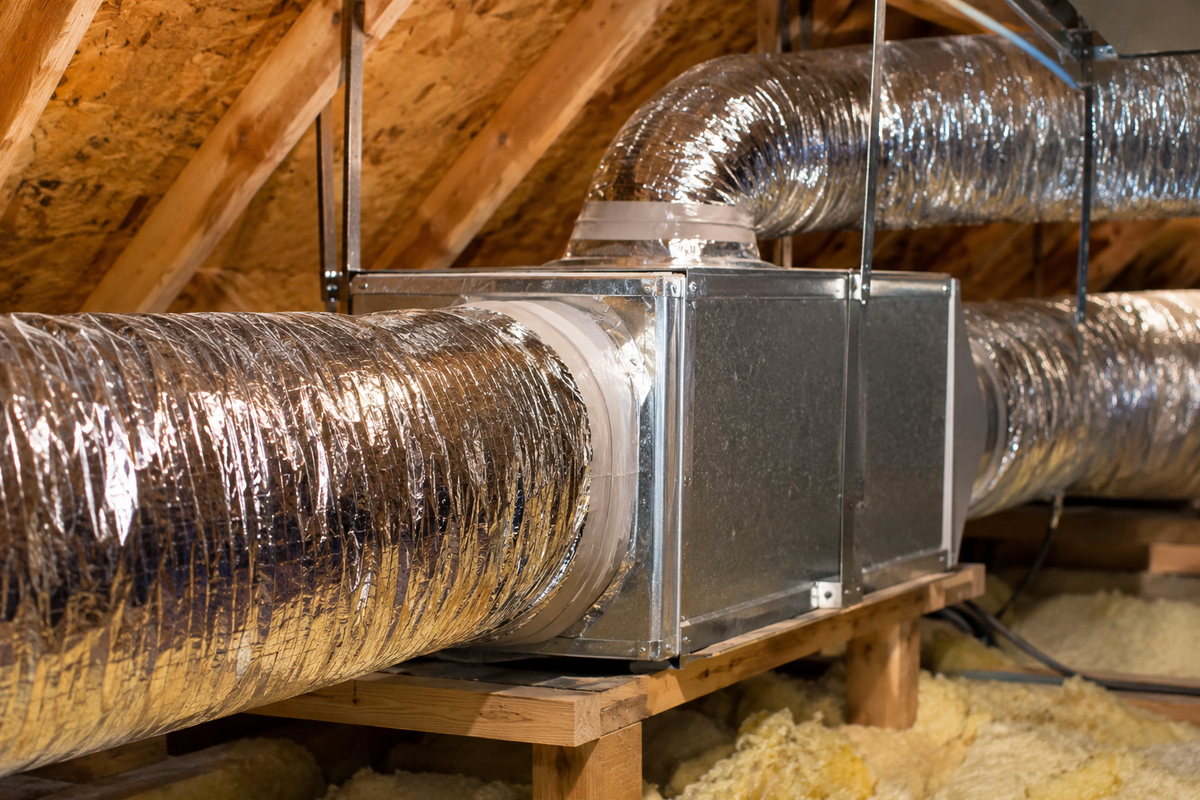
Optimized airflow minimizes hotspots and cold zones, promoting uniform comfort throughout the home. Avoiding duct leakage prevention issues further conserves energy and enhances conditioned air distribution.
Effective maintenance aligns equipment efficiency ratings with manufacturer specifications, preserving performance over time.
Extending Equipment Lifespan for Long-Term Comfort
Consistent upkeep protects critical components such as blower motors and heat exchangers from premature failure. Addressing minor issues during scheduled visits prevents costly breakdowns and prolongs system life. Longer-lasting equipment sustains reliable comfort without frequent replacements.
Homeowners benefit from fewer service interruptions and better return air circulation, maintaining a steady indoor environment. Proper maintenance also supports combustion safety checks in heating systems, ensuring safe and effective operation.
Investing in regular care yields both comfort stability and financial savings.
Adapting to Seasonal Temperature Fluctuations
HVAC maintenance prepares systems for seasonal temperature fluctuations by adjusting settings and components accordingly. Seasonal tune-ups include cleaning, calibration, and performance evaluations to meet changing demands. This adaptability maintains indoor humidity regulation and ventilation efficiency standards year-round.
Proper seasonal preparation helps the system respond swiftly to temperature shifts, avoiding discomfort from uneven heating or cooling. It also supports mechanical ventilation principles that improve indoor air quality during extreme weather.
These adjustments contribute to a consistently comfortable living space regardless of external conditions.
Common Issues Prevented by Regular HVAC Maintenance
Preventing System Overheating and Failures
Neglected HVAC systems often experience overheating caused by clogged filters or malfunctioning motors. Regular maintenance identifies these problems early, preventing breakdowns that disrupt home comfort. Timely repairs maintain system stability and ensure continuous heating or cooling.
Routine inspections check blower motor performance and heat exchanger integrity to avoid hazardous conditions. Maintaining these components also supports safe operation and extends equipment service life.
Avoiding unexpected failures reduces stress and inconvenience for homeowners.
Eliminating Uneven Temperature Zones
Uneven air distribution commonly results from blocked ducts, dirty filters, or imbalanced airflow. Maintenance addresses these factors by sealing leaks and cleaning ducts to restore uniform temperature flow. This improves overall residential airflow balance and eliminates cold spots or overheating in specific rooms.
Correcting these issues enhances comfort consistency and prevents occupants from adjusting thermostats unnecessarily. Balanced airflow contributes to efficient system operation and energy savings.
Maintaining ductwork is vital for achieving the desired home comfort levels.
Reducing Indoor Pollutants and Allergens
Accumulated dust, mold, and biological contaminants degrade indoor air quality and comfort. HVAC maintenance includes filter upgrades and coil cleaning that reduce these pollutants. Enhanced filtration efficiency levels protect occupants from allergens and irritants.
Additionally, maintaining mechanical ventilation principles ensures adequate fresh air exchange, minimizing stale or contaminated air indoors. Cleaner air supports respiratory health and overall well-being within the home.
Regular upkeep is essential to sustaining a healthy and comfortable indoor environment.
Taking Action: Implementing Your HVAC Maintenance Plan
Scheduling Professional Inspections
Homeowners should arrange professional HVAC inspections at recommended intervals to verify system condition. Specialists can perform detailed diagnostics and perform necessary tune-ups beyond routine tasks. Engaging qualified technicians guarantees comprehensive care tailored to specific system needs.
Consistent professional involvement complements homeowner efforts and addresses complex maintenance requirements. This partnership ensures the HVAC system consistently delivers optimal comfort.
Early detection of potential issues prevents costly repairs and service disruptions.
Incorporating DIY Maintenance Practices
Simple homeowner actions such as monthly filter checks and thermostat adjustments support professional maintenance. Keeping the area around outdoor units clear and monitoring system performance helps identify problems promptly. These daily practices contribute to maintaining steady indoor thermal comfort.
Educating oneself on proper filter selection and basic cleaning techniques empowers homeowners to extend system life. Combining DIY efforts with professional services creates a comprehensive maintenance strategy.
Regular attention to these details enhances the overall comfort blueprint.
Monitoring Performance and Comfort Levels
Tracking indoor temperature consistency and air quality over time allows homeowners to gauge maintenance effectiveness. Noticing changes in airflow, noise, or humidity signals when additional service may be required. Maintaining this awareness supports ongoing comfort optimization.
Utilizing smart thermostats or home monitoring devices can assist in detecting anomalies quickly. Staying proactive ensures the HVAC system adapts to evolving household needs and environmental conditions.
Ongoing monitoring is crucial for sustaining the benefits of regular HVAC maintenance.
Creation date: Nov 21, 2026 6:29pm Last modified date: Nov 21, 2026 9:59pm Last visit date: Nov 23, 2026 3:08am
Attach this document to an event, task, or address
You can attach a link to this document to an event in your Calendar, a task in your To Do list or an Address. Check the boxes below for the data you want to
bring into the event’s or task’s description, and then click “Select text to copy” to have the next event or task you create or edit have the document text and link.