To make sure your calendar, event reminders, and other features are always
correct, please tell us your time zone (and other details) using the
drop-down menus below:
Set Date/Time format:
In 12 Hour format the hours will be displayed as 1 through 12 with “a.m.” and “p.m.”
displayed after the time (ex. 1:00p.m.). In 24 hour format the hours will be displayed as 00 through 23 (ex. 13:00).
You can always change your time zone by going to your Account Settings.
Use the dropdown menu to view the events in another time zone. The primary time zone will be displayed in parentheses.
Use the dropdown menu to view the events in another time zone. The primary time zone will be displayed in parentheses.
Visiting Tanzania Safari(username: tanzaniasafari)
Tag
Please wait...
Select a Color
Manage Applications
Check the items that you want displayed. Uncheck all to hide the section.
Calendars
Files
Addresses
To Dos
Discussions
Photos
Bookmarks
The “Switch Navigator” button will no longer be available after February 14, 2017.
Please learn more about how to use the new Navigator by clicking this link.
Best Time to Visit Tanzania for Safari: Seasonal Wildlife Viewing Guide
Timing plays a crucial role in maximizing your African safari experience, with each season offering distinct advantages for wildlife viewing and outdoor activities. Tanzania's tropical climate creates two primary seasons - dry and wet - each presenting unique opportunities to observe different animal behaviors and natural phenomena. Understanding seasonal patterns, migration timing, and weather conditions enables visitors to plan optimal safari experiences aligned with personal preferences and wildlife interests. From calving seasons to river crossings, each month brings special moments that can transform ordinary game drives into extraordinary wildlife encounters.
Dry Season Safari Benefits
June Through October Advantages
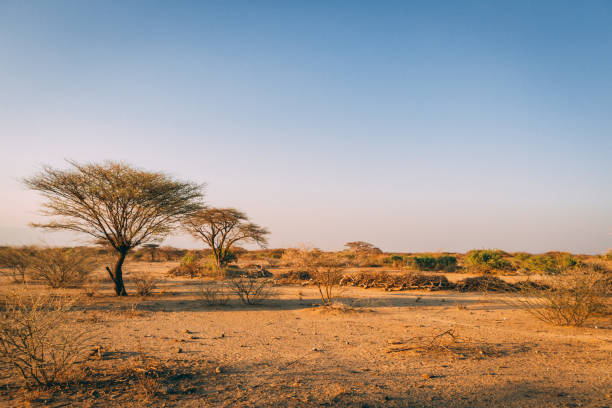
Tanzania's dry season represents peak safari time, offering exceptional wildlife viewing conditions with minimal rainfall and concentrated animal populations around permanent water sources. During these months, vegetation remains sparse, improving visibility for spotting elusive species like leopards and cheetahs. Exceptional safari Tanzania experiences occur as animals gather at rivers, lakes, and waterholes, creating dramatic wildlife interactions and photography opportunities. Road conditions remain excellent throughout most parks, enabling access to remote areas typically challenging during wet seasons.
Wildlife Concentration Patterns
Water scarcity during dry months forces wildlife to congregate around reliable water sources, creating unprecedented viewing opportunities. Elephants, buffalo, and various antelope species form large gatherings at rivers and lakes, while predators position themselves strategically to exploit these concentrations. This natural phenomenon allows visitors to observe multiple species simultaneously and witness predator-prey dynamics in action. The predictable movement patterns during dry seasons help guides locate specific animals and plan successful game drives.
Wet Season Opportunities
November Through May Experiences
Tanzania's wet season offers unique advantages including lush landscapes, abundant bird life, and dramatic storm formations that create spectacular photographic opportunities. Newborn animals appear throughout parks as many species time births to coincide with fresh vegetation and improved food availability. The landscape transforms into vibrant green tapestries dotted with colorful wildflowers, creating stunning backdrops for wildlife photography. Fewer tourists visit during wet months, providing more intimate wildlife encounters and better value accommodations.
Calving Season Spectacles
January through March marks calving season in the southern Serengeti, where over 400,000 wildebeest calves are born within concentrated areas. This remarkable natural event attracts large numbers of predators, creating intense wildlife drama as lions, hyenas, and cheetahs capitalize on vulnerable young animals. The abundance of newborns triggers fascinating behavioral observations, including protective maternal instincts and herd dynamics that showcase the raw realities of African wilderness survival.
Migration Calendar and Movement Patterns
Great Migration Timing
The Great Migration follows predictable seasonal movements influenced by rainfall patterns and grass quality, creating optimal viewing opportunities throughout different months. December through March concentrates herds in the southern Serengeti plains, while April and May witness northward movements toward the central regions. June through August brings dramatic river crossings as millions of animals traverse the Grumeti and Mara Rivers, facing crocodile-infested waters in spectacular displays of determination and survival instinct.
Predator Following Patterns
Large predators closely follow migration herds, creating exceptional opportunities to observe hunting behaviors and territorial disputes. Lions, leopards, and cheetahs concentrate their activities around migration routes, while spotted hyenas and wild dogs capitalize on increased prey availability. These predator concentrations enable visitors to witness rare behaviors and interactions seldom observed when prey animals remain dispersed across wider territories.
Regional Climate Variations
Northern Circuit Weather Patterns
The northern safari circuit, including Serengeti, Ngorongoro, and Tarangire, experiences distinct seasonal patterns with short rains typically occurring in November and December, followed by long rains from March through May. Temperatures remain moderate year-round, ranging from 20-30°C during daytime hours, while nighttime temperatures can drop significantly, particularly at higher elevations around Ngorongoro Crater. These moderate conditions make year-round safaris comfortable with appropriate clothing preparations.
Southern and Western Circuit Conditions
Tanzania's southern parks, including Ruaha and Selous, experience more pronounced seasonal variations with extended dry periods and intense wet seasons. The western circuit featuring Katavi National Park becomes virtually inaccessible during peak rains but offers extraordinary wildlife concentrations during dry months. These remote areas provide exclusive safari experiences with minimal tourist presence, creating pristine wilderness encounters for adventurous travelers.
Bird Watching Seasonal Highlights
Migratory Species Arrivals
European and Asian migratory bird species arrive in Tanzania between October and April, dramatically increasing bird diversity and providing exceptional birding opportunities. Over 200 migratory species join resident populations, creating vibrant displays of colors and behaviors throughout national parks. Wetland areas become particularly active during these months, with various waterfowl, raptors, and songbirds creating spectacular birding experiences for enthusiasts.
Breeding Season Activities
Many resident bird species time their breeding cycles to coincide with wet seasons when insect populations explode and vegetation provides abundant nesting materials. This period offers opportunities to observe elaborate courtship displays, nest-building activities, and parental care behaviors. Endemic species like the Tanzanian red-billed hornbill and various sunbird species become particularly active and visible during breeding seasons.
Photography Considerations
Lighting and Weather Conditions
Different seasons provide varying photographic opportunities, with dry season offering clear skies and consistent lighting conditions ideal for wildlife photography. Wet season creates dramatic storm formations, rainbow appearances, and lush green landscapes that provide stunning backdrop variations. Early morning and late afternoon lighting remains optimal year-round, though wet season cloud formations can create unique diffused lighting effects perfect for atmospheric wildlife portraits.
Equipment Protection Strategies
Seasonal considerations significantly impact camera equipment protection requirements, with dry season dust necessitating regular cleaning and protective measures. Wet season photography requires waterproof housing and moisture protection, while humidity can affect lens clarity and electronic functions. Professional photographers often adjust equipment selections based on seasonal conditions, prioritizing weather-sealed cameras and lenses during challenging weather periods.
Booking and Planning Recommendations
Optimal safari timing depends on individual preferences, wildlife interests, and tolerance for weather variations. Peak dry season months require advance booking due to high demand and limited accommodation availability, while wet season offers better rates and availability with trade-offs in accessibility and weather predictability. Flexible travelers often benefit from shoulder seasons that combine advantages of both dry and wet periods. Consulting experienced operators familiar with seasonal patterns ensures optimal timing alignment with personal safari goals and expectations. The strategic approach to planning your tour timing maximizes wildlife encounters while considering budget constraints and weather preferences for unforgettable African safari experiences.
The East African Safari and Touring Address: 00001 Kiranyi Village, Sakina, Arusha, Tanzania Contact No.: +255 687 723 488 Location MAP: https://maps.app.goo.gl/2cGWCvDroJR4Hv9K6
Creation date: Oct 14, 2025 8:05pm Last modified date: Oct 14, 2025 8:05pm Last visit date: Mar 31, 2026 1:39pm
Attach this document to an event, task, or address
You can attach a link to this document to an event in your Calendar, a task in your To Do list or an Address. Check the boxes below for the data you want to
bring into the event’s or task’s description, and then click “Select text to copy” to have the next event or task you create or edit have the document text and link.