To make sure your calendar, event reminders, and other features are always
correct, please tell us your time zone (and other details) using the
drop-down menus below:
Set Date/Time format:
In 12 Hour format the hours will be displayed as 1 through 12 with “a.m.” and “p.m.”
displayed after the time (ex. 1:00p.m.). In 24 hour format the hours will be displayed as 00 through 23 (ex. 13:00).
You can always change your time zone by going to your Account Settings.
Use the dropdown menu to view the events in another time zone. The primary time zone will be displayed in parentheses.
Use the dropdown menu to view the events in another time zone. The primary time zone will be displayed in parentheses.
Check the items that you want displayed. Uncheck all to hide the section.
Calendars
Files
Addresses
To Dos
Discussions
Photos
Bookmarks
The “Switch Navigator” button will no longer be available after February 14, 2017.
Please learn more about how to use the new Navigator by clicking this link.
What Is a Guideboat and How Does Its Traditional Design Work?
A guideboat is a specialized watercraft historically developed to navigate the narrow, shallow waterways of the Adirondack region. Known for its remarkable balance of speed, stability, and lightweight construction, the guideboat’s traditional design reflects centuries of problem-solving craftsmanship. Exploring what is a guideboat and how its traditional design works reveals insights into the engineering choices that make this vessel uniquely suited for its environment.
The challenge that early builders faced was creating a boat that could carry two people and gear efficiently across lakes and rivers, often requiring portages between waterways. The solution was a slender, shallow, yet strong vessel that could be paddled swiftly and carried on the shoulders without excessive strain. This article examines common issues encountered in guideboat design and usage, how the traditional design addresses these problems, and methods to maintain and optimize its performance over time.
What Is a Guideboat and How Does Its Traditional Design Work?
At its core, a guideboat is a narrow, lightweight rowing or paddling craft, typically 16 to 18 feet in length, with a flat bottom and pointed bow and stern. The traditional design uses lapstrake planking fastened to a steam-bent wooden frame, producing a hull that’s both sturdy and resilient. This construction allows the boat to glide smoothly over water while maintaining enough structural strength to handle rocky shorelines and frequent portages.
The slender hull shape minimizes water resistance, enabling efficient rowing and paddling even in windy or choppy conditions. The shallow draft allows passage through shallow waters where larger boats cannot venture. By balancing these design elements, the guideboat overcomes challenges faced by outdoorsmen and guides who needed a reliable vessel for fishing, hunting, and transporting supplies through rugged terrain.
The iconic design also includes a reversible seat system that allows paddlers to switch sides without repositioning the boat. This feature prevents fatigue during long journeys and is an example of how traditional guideboat design solves practical rowing challenges. The integration of form and function in this watercraft remains a model of nautical engineering tailored to specific environmental demands.
Addressing Common Challenges in Guideboat Construction
Fragility Versus Durability
One of the primary difficulties in guideboat construction is achieving a delicate balance between lightweight and durability. Early builders had to ensure the boat was light enough to carry over portages but robust enough to endure rough handling. The traditional lapstrake method, where narrow planks overlap along their edges, reinforces the hull while keeping weight low.
Using high-quality woods like cedar for planking and oak or ash for frames adds resilience without unnecessary heft. Builders carefully steam-bent ribs to precise shapes, ensuring each frame fits snugly against the planking. This meticulous craftsmanship reduces weak points that could crack or warp under stress.
Water Tightness and Maintenance
Maintaining water tightness in a wooden guideboat is an ongoing concern. The overlapping planks must be sealed effectively to prevent leaks. Traditional builders used cotton or linen caulking combined with marine-grade varnishes or paint to fill gaps and protect the wood from moisture damage. However, natural wood movement due to temperature and humidity fluctuations can cause caulking to deteriorate.
Regular inspection and maintenance are essential to prevent slow leaks that may compromise buoyancy and safety. Owners are advised to periodically re-caulk seams and refresh protective coatings. Preventative care extends the boat’s lifespan and ensures reliable performance during outings.
Weight Distribution and Stability
Guideboats must remain stable despite their narrow profile. Poor weight distribution can cause tipping or inefficient rowing. The traditional design incorporates a symmetrical hull and a flat bottom to enhance stability. Seating placement and gear loading strategies also play critical roles in balance.
Failing to load the boat evenly or seating both passengers on one side can cause listing, making navigation difficult and tiring. Experienced paddlers position heavier gear low and centered, and alternate paddling sides to maintain control. The guideboat’s design accommodates these practices, mitigating the risk of capsizing in variable conditions.
How Traditional Guideboat Design Optimizes Performance
Streamlined Hull Shape
The classic guideboat hull is long and slender with a fine entry at bow and stern to cut through water efficiently. This shape reduces drag and enables higher speeds with less effort. The shallow draft allows the boat to navigate in waters often inaccessible to deeper vessels.
Its flat bottom provides initial stability while the slight rocker—the curve from bow to stern—helps the boat pivot smoothly during turns. These design elements collectively address the challenge of maneuvering through winding rivers and lakes with variable depth and obstacles.
Lightweight Materials and Construction Techniques
The use of cedar for planking offers a lightweight yet strong skin, while hardwood ribs provide structural integrity. Steam bending the ribs allows for curved frames that perfectly fit the boat’s streamlined form. This technique requires skill but results in resilience against impacts and stress.
The lapstrake method, where planks overlap, distributes forces along the hull length. It also enables quick repairs by replacing individual planks without dismantling the entire boat. This thoughtful construction method solves multiple issues related to weight, strength, and maintenance.
Rowing and Paddling Adaptations
The guideboat’s reversible seats allow paddlers to switch sides easily, reducing fatigue and improving stroke efficiency. This feature addresses ergonomic challenges faced on long expeditions. The narrow beam and shallow hull require paddlers to maintain balance and precise strokes, making the boat responsive to skilled handling.
Oarlocks positioned slightly above the gunwales provide optimal leverage. Some models include removable thwarts and seats, allowing customization for different uses or crew sizes. These adaptations reflect problem-solving driven by the boat’s intended working environment.
Maintaining and Troubleshooting Guideboat Issues
Detecting Leaks and Structural Weakness
Common issues with guideboats include slow leaks from degraded caulking and wood cracks from wear. Owners should regularly perform water tests by filling the hull with a small amount of water to check for seepage. Visual inspections for loose planks or damaged ribs help identify early signs of structural failure.
Addressing leaks promptly prevents waterlogging and wood rot. Repairs often involve removing damaged planks or re-caulking seams. Routine maintenance schedules reduce the likelihood of sudden failures during use.
Preventing Warping and Wood Damage
Exposure to sun, rain, and fluctuating humidity can warp wooden components. Storing the guideboat indoors or under cover minimizes environmental damage. Applying UV-protective varnishes and moisture barriers helps preserve the wood’s integrity.
When warping occurs, steam bending and clamping techniques can sometimes restore frames to shape. However, prevention through proper care is more effective than repair. Users should avoid prolonged exposure to harsh elements whenever possible.
Optimizing Load and Balance
Incorrect loading creates instability and increased risk of capsizing. Users must distribute weight evenly between bow and stern and avoid excess gear on one side. Securing cargo low in the hull also lowers the center of gravity, improving stability.
Guides often practice loading drills to ensure safe weight distribution before embarking. This discipline prevents common mishaps and maximizes the guideboat’s performance in diverse water conditions.
The Role of Traditional Craftsmanship in Guideboat Legacy
Preserving Historic Boatbuilding Techniques
Traditional guideboat construction preserves centuries-old skills in woodworking and naval design. Craftsmen continue to use hand tools and steam bending methods to replicate authentic forms. This dedication to historic vessel design maintains the cultural heritage of Adirondack watercraft.
Master builders pass knowledge through apprenticeships, ensuring the craft’s survival. Such preservation enriches the broader field of maritime craftsmanship, inspiring contemporary wooden boatbuilding projects worldwide.
Contemporary Interest and Model Crafting
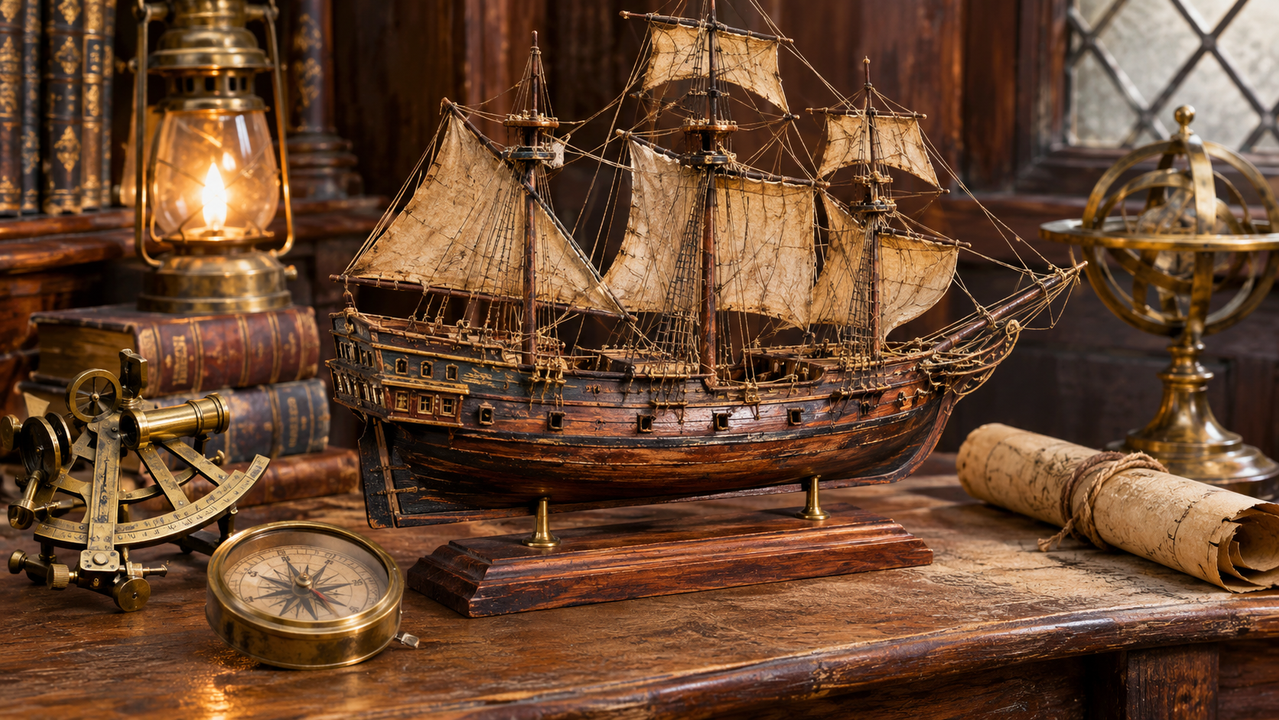
Enthusiasts often build and collect scale replicas of these boats, reflecting admiration for their elegant design and engineering. These model shipways require precise miniature hull construction, mirroring full-size guideboats’ complex forms. Collectors and hobbyists gain appreciation for traditional boatbuilding by engaging with these detailed models.
This interest supports a broader maritime heritage preservation movement that values the interplay of function, art, and history in watercraft. The guideboat remains a symbol of practical ingenuity and aesthetic simplicity.
Model shipways enthusiasts find inspiration in the guideboat’s design, often replicating its lapstrake planking and curved frames at smaller scales. These models serve educational and display purposes, highlighting the boat’s engineering principles.
Modern Usage and Adaptations
While modern materials like aluminum and fiberglass offer alternatives, many paddlers prefer traditional wooden guideboats for their classic feel and performance. Contemporary builders sometimes incorporate subtle updates to enhance durability or reduce maintenance without sacrificing heritage.
These adaptations demonstrate the guideboat’s ongoing relevancy and the balance between preserving tradition and solving new challenges. The vessel’s design continues to influence small craft development, proving its enduring value.
For those interested, a well-crafted guideboat provides a direct connection to this legacy, combining time-tested design with modern craftsmanship.
Securing Lasting Outcomes for Guideboat Enthusiasts
To sustain the guideboat’s performance and heritage, users must adopt proactive maintenance and mindful handling practices. Regular inspections, proper storage, and timely repairs prevent common issues like leaks, warping, and structural fatigue. These steps minimize downtime and extend the boat’s service life.
Training in balanced loading and rowing techniques enhances safety and enjoyment. By respecting the boat’s traditional design principles, paddlers can avoid pitfalls that degrade performance or cause damage.
Engagement with maritime museum collections and resources on miniature hull construction and historic nautical craftsmanship deepens understanding of the guideboat’s place in nautical history. This knowledge supports preservation efforts and inspires future innovations grounded in proven methods.
Ultimately, what is a guideboat and how does its traditional design work? It is a solution born from necessity, refined through experience, and preserved through dedication. Embracing these lessons ensures that guideboats remain functional, beautiful, and relevant for generations to come.
Captain Heritage
1500 S.Milliken Ave, Ste. G , Ontario, Califonia 91761, USA
Creation date: Nov 1, 2026 12:33am Last modified date: Nov 1, 2026 12:33am Last visit date: Nov 3, 2026 8:32pm
Attach this document to an event, task, or address
You can attach a link to this document to an event in your Calendar, a task in your To Do list or an Address. Check the boxes below for the data you want to
bring into the event’s or task’s description, and then click “Select text to copy” to have the next event or task you create or edit have the document text and link.