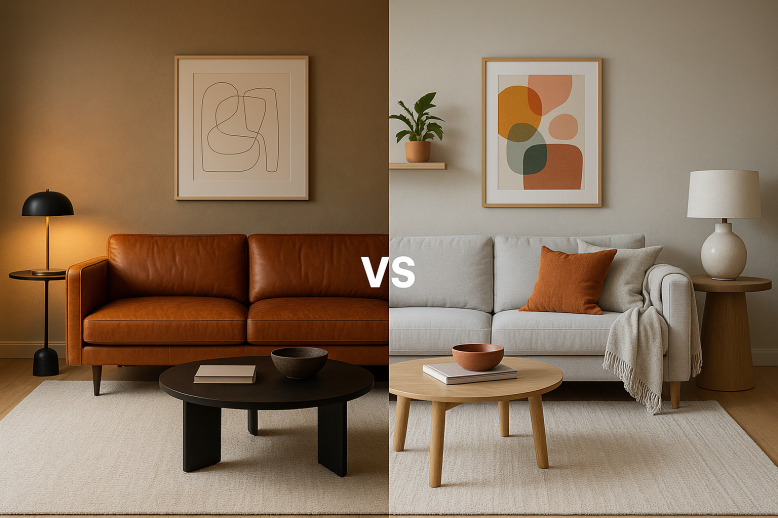
When it comes to choosing furniture for your living space, the decision often boils down to two classic contenders: leather and fabric. Both have devoted fans, both carry their reputations, and both can dramatically change not just the look of a room, but how you live in it. The leather-versus-fabric debate is as old as the sofa itself, and if you’ve ever found yourself stuck between the cool touch of leather and the cozy embrace of fabric, you’re not alone.
This article will explore the ins and outs of both options, with a special focus on real leather—not the synthetic stand-ins that try to imitate it. We’ll look at comfort, durability, maintenance, style, and cost, all with the goal of helping you decide which material is the right fit for your lifestyle.
The Allure of Leather Furniture
Leather has long been associated with luxury, durability, and a certain timeless style. Walk into any high-end hotel lobby or executive office, and the odds are good you’ll find leather armchairs and sofas taking pride of place. But what is it that makes real leather so sought after?
- Durability That Ages Like Wine
Unlike most materials that wear out, real leather wears in. Over time, genuine leather develops a patina—a subtle sheen and texture that adds depth and character. Rather than looking tired, a well-cared-for leather sofa often looks better with age. This is something fabric simply can’t replicate. Fabric fibers tend to fray and fade, whereas leather becomes richer.
- Easy to Clean and Maintain
One of leather’s biggest selling points is its ease of maintenance. Spilled a bit of coffee? A quick wipe with a damp cloth usually solves the problem. Fabric, on the other hand, tends to absorb liquids like a sponge, leaving behind stains and odors. For households with kids, pets, or simply a tendency toward accidents, this feature alone can tip the scales.
- Hypoallergenic Qualities
Dust, pollen, and pet dander easily settle into fabric upholstery. Leather, by contrast, doesn’t trap allergens. For anyone with allergies—or anyone simply looking for a cleaner environment—leather is a friendlier option.
- A Statement of Style
Leather furniture carries a certain prestige. Whether in sleek black, rich brown, or even bold colors like red or navy, it exudes sophistication. It can fit equally well in a minimalist modern loft or a classic, wood-paneled den. Real leather also has a tactile quality—smooth yet textured—that fabric just can’t duplicate.
The Case for Fabric Furniture
While leather often steals the spotlight, fabric furniture has its own compelling set of advantages. In many homes, fabric is the workhorse of comfort, versatility, and accessibility.
- Comfort and Warmth
Fabric sofas are often softer to the touch and warmer against the skin. Leather, especially in colder climates, can feel chilly in winter and sticky in summer. Fabric, however, maintains a consistent feel year-round, offering instant coziness when you sit down.
- Range of Styles and Colors
Fabric offers a wider range of patterns, colors, and textures than leather. From soft linens to plush velvets, fabric lets you customize your space to a far greater degree. This flexibility can be a big advantage for those who like to switch up interior styles or want their sofa to blend seamlessly into a specific design vision.
- Cost-Effective Options
High-quality leather comes with a high price tag. Fabric, on the other hand, can deliver comfort and style at a fraction of the cost. For those furnishing a first apartment, a family home on a budget, or simply prioritizing affordability, fabric can make more financial sense.
- Less Slippery, More Relaxed
Unlike leather, which can sometimes feel slippery or firm, fabric offers a more relaxed and "sink-in" quality. If your idea of comfort is curling up with a blanket for a Netflix marathon, fabric may deliver a more inviting experience.
Leather vs Fabric: Head-to-Head Comparison
Let’s break down the competition category by category.
Durability
- Leather: Outlasts most fabric options; develops patina rather than wearing out.
- Fabric: Can fray, fade, and stain more easily, though higher-end weaves do better.
Maintenance
- Leather: Wipe clean; occasional conditioning to prevent drying and cracking.
- Fabric: Requires regular vacuuming, occasional deep cleaning, and is prone to stains.
Comfort
- Leather: Sleek and cool, but can be sticky or chilly depending on the season.
- Fabric: Softer, warmer, and more consistent across climates.
Style
- Leather: Timeless, sophisticated, with limited (but striking) color options.
- Fabric: Highly versatile in patterns, textures, and colors.
Cost
- Leather: Expensive upfront, but an investment that lasts decades.
- Fabric: More affordable, but may need replacing sooner.
Understanding Real Leather
Before going further, it’s worth clarifying what we mean by real leather. The market is flooded with imitations—bonded leather, faux leather, pleather—that mimic the look but not the qualities of the genuine article. Here’s a quick breakdown:
- Full-Grain Leather: The highest quality, made from the top layer of the hide. It’s strong, durable, and develops the best patina.
- Top-Grain Leather: Slightly sanded or corrected to remove imperfections. Still durable and high-quality, but not as rugged as full-grain.
- Genuine Leather: A confusing term—often refers to lower layers of the hide. Real, but not premium.
- Bonded Leather: Made from scraps and fibers glued together. Technically leather, but not durable or long-lasting.
When investing in leather furniture, full-grain or top-grain leather are the gold standards. They justify their price through longevity and beauty.
Lifestyle Considerations: Which One Is Right for You?
For Families with Kids
- Leather: Resistant to spills and stains, but can scratch.
- Fabric: Softer and cozier, but more vulnerable to mess.
For Pet Owners
- Leather: Pet hair doesn’t stick, and odors don’t linger, though claws can leave marks.
- Fabric: Pet hair clings, stains set, but some durable weaves (like microfiber) hold up well.
For Style Enthusiasts
- Leather: Offers classic, timeless appeal.
- Fabric: Provides greater stylistic variety and trend flexibility.
For Budget-Minded Shoppers
- Leather: Higher upfront cost, but worth it long-term.
- Fabric: Lower upfront cost, but may wear out sooner.
Myths About Leather Furniture
It’s worth debunking a few myths:
- "Leather is too hot/cold to sit on." Modern climate control makes this less of an issue, and leather quickly adapts to body temperature.
- "Leather is too delicate." Real leather is incredibly tough. It resists tearing better than fabric.
- "Leather is only for formal spaces." Today’s leather comes in styles ranging from sleek and modern to relaxed and rustic.
The Verdict: Leather or Fabric?
So, which wins the showdown? The truth is, it depends on what you value most.
- If you want longevity, prestige, and easy upkeep, leather—real, high-quality leather—is unmatched.
- If you crave comfort, variety, and affordability, fabric delivers beautifully.
But for many buyers, the tipping point is real leather’s ability to improve with age. Fabric may look worn after a few years, while leather tells the story of your life—softened where you always sit, shining where hands and feet have brushed against it. It’s a living material, and in many ways, that’s the magic.
Final Thoughts
Buying furniture is both a practical and emotional decision. You’re not just purchasing a sofa or chair; you’re choosing the stage where countless life moments will play out. Leather and fabric each have their merits, but if you want a piece that matures with you, offers timeless beauty, and stands the test of time, real leather is worth the investment.
In the end, the choice isn’t about which material is "better." It’s about which one fits your lifestyle, your space, and your story.