To make sure your calendar, event reminders, and other features are always
correct, please tell us your time zone (and other details) using the
drop-down menus below:
Set Date/Time format:
In 12 Hour format the hours will be displayed as 1 through 12 with “a.m.” and “p.m.”
displayed after the time (ex. 1:00p.m.). In 24 hour format the hours will be displayed as 00 through 23 (ex. 13:00).
You can always change your time zone by going to your Account Settings.
Use the dropdown menu to view the events in another time zone. The primary time zone will be displayed in parentheses.
Use the dropdown menu to view the events in another time zone. The primary time zone will be displayed in parentheses.
Visiting HVACRepair Hub(username: hvacrepairhub)
Tag
Please wait...
Select a Color
Manage Applications
Check the items that you want displayed. Uncheck all to hide the section.
Calendars
Files
Addresses
To Dos
Discussions
Photos
Bookmarks
The “Switch Navigator” button will no longer be available after February 14, 2017.
Please learn more about how to use the new Navigator by clicking this link.
Why Is Your Heating System Blowing Cold Air?
When your heating system starts blowing cold air, it can disrupt your comfort and raise concerns about what might be wrong. This issue often arises unexpectedly, leaving homeowners wondering about the root cause and the steps needed to restore warmth. Addressing the problem promptly requires a clear, practical action plan to diagnose and fix the underlying causes efficiently.
In this article, we provide a detailed blueprint aimed at homeowners and property managers who want to take control of heating system performance. By breaking down common reasons and offering actionable solutions, you’ll gain the confidence to troubleshoot or communicate effectively with HVAC professionals. Let’s explore why your heating system might be blowing cold air and how to resolve it step-by-step.
Identifying Key Causes Behind Cold Air from Your Heater
Thermostat Settings and Calibration
One of the simplest explanations for cold air is incorrect thermostat settings. Sometimes, the thermostat may be set to cooling mode by mistake or programmed with a temperature lower than the room requires. Verifying that the thermostat is set to heating and adjusting the target temperature can often restore warm airflow quickly. Engaging with a reputable visit our website service helps streamline the entire process and ensure dependable outcomes.
Thermostat calibration issues can also cause the system to misinterpret room temperature, resulting in inconsistent heating. Ensuring proper calibration or replacing outdated thermostats is a practical first step. If the thermostat does not respond or display correctly, this should be addressed before investigating more complex system components.
Blocked or Frozen Air Filters
Dirty or clogged air filters reduce airflow through your heating system, leading to insufficient heat exchange and cold air output. Filters should be inspected monthly during the heating season and replaced as needed to maintain system efficiency. Neglecting this simple maintenance can cause strain on components and limit warm air circulation throughout the home.
In colder climates, frozen evaporator coils can also restrict airflow and cause cold air delivery. This typically occurs when airflow is compromised or refrigerant levels are incorrect. Regular filter replacement and system inspections prevent ice buildup and preserve heating performance.
Pilot Light or Ignition System Failures
For gas-powered heating systems, a malfunctioning pilot light or ignition system often results in the heater blowing cold air. If the pilot light goes out or the ignition fails to spark, the burner will not ignite, and the air blown through ducts remains unheated. Checking that the pilot light is lit or scheduling professional ignition repairs is critical for restoring heat.
Gas valves and safety switches also play an essential role in ignition. Faulty components in these areas may prevent the system from activating properly, requiring technical diagnosis and replacement. Avoid attempting repairs on gas components without professional assistance due to safety risks.
System Components That Impact Heating Efficiency
Heat Exchanger and Blower Motor Performance
The heat exchanger transfers warmth from combustion gases to the circulated air. Cracks or damage in the heat exchanger can cause the system to blow cold air as safety mechanisms shut down heating to prevent hazardous leaks. If a cracked exchanger is suspected, immediate professional inspection is necessary to avoid carbon monoxide risks.
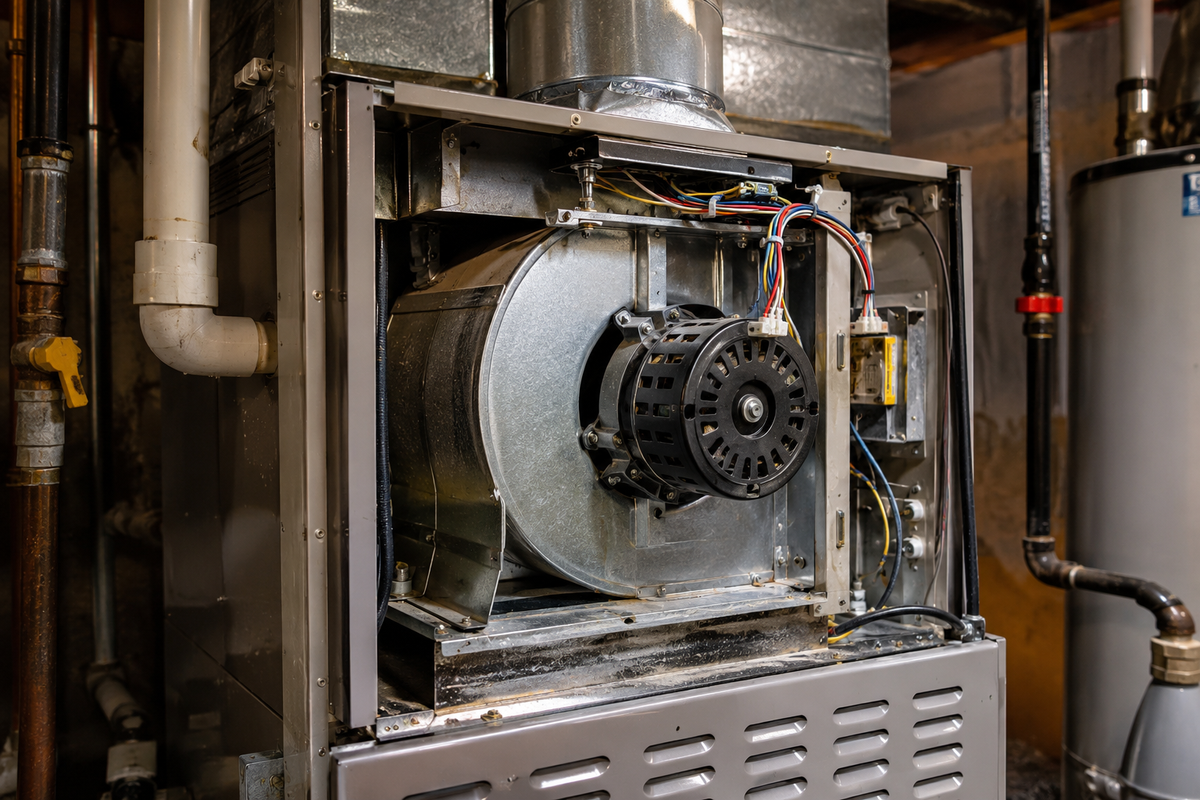
The blower motor is responsible for pushing heated air through the ductwork. A malfunctioning blower motor or worn belts can reduce airflow, resulting in cooler air output. Lubricating motor parts or replacing failing components often restores full airflow capacity and effective heating.
Refrigerant Levels and System Pressure
In heat pump systems, refrigerant charge accuracy is crucial for maintaining the heating cycle. Low refrigerant levels or leaks cause the system to lose its ability to extract heat from outside air, leading to cold air blowing indoors. Detecting and repairing leaks, followed by proper recharging, is essential for heat pump operation.
Pressure imbalances in the system can also disrupt heating efficiency. Monitoring gauges and scheduling maintenance helps maintain optimal refrigerant and pressure levels. This ensures the system can provide consistent warmth throughout the heating season.
Ductwork Issues and Airflow Obstructions
Leaks, blockages, or poor insulation in ductwork can cause conditioned air to cool before reaching living spaces. Inspecting duct joints and sealing gaps reduces heat loss and improves airflow. Duct leakage prevention is an effective measure that enhances overall system performance and energy efficiency.
In some cases, ducts may be improperly sized or routed, causing airflow imbalance. Professional assessment can recommend modifications that improve residential airflow balance and prevent cold spots. Maintaining clean and well-sealed ducts is a practical step toward resolving cold air problems.
How to Perform Basic Troubleshooting at Home
Step-by-Step Diagnostic Checklist
Start by verifying thermostat settings and ensuring they are set to heating mode with an appropriate temperature. Next, inspect air filters and replace them if dirty or clogged to restore proper airflow. Confirm that the pilot light is lit or ignition system functions correctly for gas heaters.
Check for obvious signs of duct damage or obstructions that could be limiting airflow. If accessible, listen to the blower motor and observe whether it operates smoothly without unusual noises. These initial checks help isolate common issues that homeowners can address without specialized tools.
When to Call a Professional HVAC Technician
If basic troubleshooting does not resolve the cold air issue, it is advisable to contact a licensed technician. Problems involving heat exchanger cracks, refrigerant leaks, or electrical component failures require expert knowledge and equipment. Attempting repairs on these systems without proper training can lead to safety hazards or further damage.
Scheduling regular maintenance visits also helps prevent future heating failures and extends system lifespan. A professional inspection can identify early signs of wear and recommend timely interventions. This proactive approach minimizes downtime and keeps your heating system reliable throughout winter.
Maintaining Your Heating System for Long-Term Reliability
Routine maintenance includes filter changes, cleaning blower components, and checking thermostat calibration. Keeping vents and registers clear of furniture or obstructions ensures optimal airflow distribution. Additionally, monitoring system performance during seasonal temperature fluctuations helps catch minor issues before they escalate.
Implementing a maintenance schedule tailored to your heating system type safeguards comfort and energy efficiency. For detailed guidance on maintenance best practices, visit our website for trusted resources and professional support options.
Energy Efficiency and Indoor Comfort Considerations
Balancing Heat Distribution in Your Home
Uneven heating or cold air coming from vents may indicate an imbalance in conditioned air distribution. Proper balancing ensures all rooms receive adequate warmth without overworking the system. Adjusting dampers or rearranging furniture to avoid blocking vents can improve household temperature control.
In larger homes, zoning systems allow for customized temperature settings in different areas. This reduces energy waste and enhances comfort by directing heat where it is most needed. Understanding these principles supports informed decisions about heating system upgrades or modifications.
Managing Indoor Humidity and Air Quality
Effective indoor humidity regulation affects how warm air feels and the overall heating efficiency. Dry air can feel cooler, prompting the heating system to work harder. Using humidifiers or adjusting ventilation efficiency standards can improve comfort without increasing energy consumption.
Filtration efficiency levels also impact air quality and system operation. Clean filters prevent dust buildup that hampers airflow and heat transfer. For comprehensive advice on maintaining healthy indoor environments, consult resources focused on mechanical ventilation principles and air filtration guidelines.
Considering Equipment Efficiency and Upgrades
Older heating systems may struggle to provide adequate heat due to outdated equipment efficiency ratings. Upgrading to modern units can significantly enhance performance and reduce energy costs. Evaluating seasonal energy consumption alongside equipment age helps determine when replacement is financially and functionally justified.
Energy-efficient models incorporate advanced technology to provide consistent warmth with lower operational expenses. Combining efficient equipment with proper maintenance ensures your home stays comfortable year-round with fewer heating issues.
Putting Strategy into Action: Steps to Fix Your Heating System Blowing Cold Air
Prioritize Safety and Accurate Diagnosis
Before attempting any fixes, ensure your safety by turning off power to the heating system and avoiding gas repairs without professional assistance. Begin with the simplest checks, such as thermostat settings and filter condition, to gain quick wins. Accurate diagnosis prevents unnecessary expenses and targets the real cause effectively.
If you notice warning signs like unusual odors, persistent cold air despite adjustments, or strange noises, seek expert help immediately. Professional technicians have the tools to test combustion safety checks and heat exchanger integrity, essential for safe operation.
Implement Maintenance and Repair Actions
Replace or clean air filters regularly and keep vents unobstructed to maintain airflow. Schedule annual service visits to inspect blower motor performance, refrigerant charge accuracy, and ductwork condition. Address minor repairs promptly to avoid system breakdowns during peak heating seasons.
Consider upgrading components like thermostats or installing zoning controls to optimize comfort and reduce energy waste. These practical measures enhance system responsiveness and prevent cold air delivery issues from recurring.
Leverage Expert Resources and Support
For detailed technical standards and best practices, industry guidelines such as those on indoor humidity regulation provide valuable insights. Aligning your maintenance and upgrade strategies with these recommendations ensures compliance and efficiency. Explore trusted organizations for additional support and educational materials.
By following this blueprint, you create a reliable heating environment that resists cold air problems and maintains consistent warmth. Taking proactive steps today minimizes inconvenience and maximizes comfort throughout your home’s heating lifecycle.
For more information on optimizing your heating system performance, visit our website to access expert advice and professional service options.
Addressing the question, why is your heating system blowing cold air? requires a systematic approach that targets both simple fixes and complex system components. By applying this practical action plan, you can restore warmth efficiently while enhancing your home's overall heating reliability and comfort.
Creation date: Nov 21, 2026 7:55pm Last modified date: Nov 21, 2026 7:55pm Last visit date: Nov 23, 2026 3:03am
Attach this document to an event, task, or address
You can attach a link to this document to an event in your Calendar, a task in your To Do list or an Address. Check the boxes below for the data you want to
bring into the event’s or task’s description, and then click “Select text to copy” to have the next event or task you create or edit have the document text and link.