To make sure your calendar, event reminders, and other features are always
correct, please tell us your time zone (and other details) using the
drop-down menus below:
Set Date/Time format:
In 12 Hour format the hours will be displayed as 1 through 12 with “a.m.” and “p.m.”
displayed after the time (ex. 1:00p.m.). In 24 hour format the hours will be displayed as 00 through 23 (ex. 13:00).
You can always change your time zone by going to your Account Settings.
Use the dropdown menu to view the events in another time zone. The primary time zone will be displayed in parentheses.
Use the dropdown menu to view the events in another time zone. The primary time zone will be displayed in parentheses.
Visiting HVACRepair Hub(username: hvacrepairhub)
Tag
Please wait...
Select a Color
Manage Applications
Check the items that you want displayed. Uncheck all to hide the section.
Calendars
Files
Addresses
To Dos
Discussions
Photos
Bookmarks
The “Switch Navigator” button will no longer be available after February 14, 2017.
Please learn more about how to use the new Navigator by clicking this link.
What Happens When an HVAC Blower Motor Starts Failing?
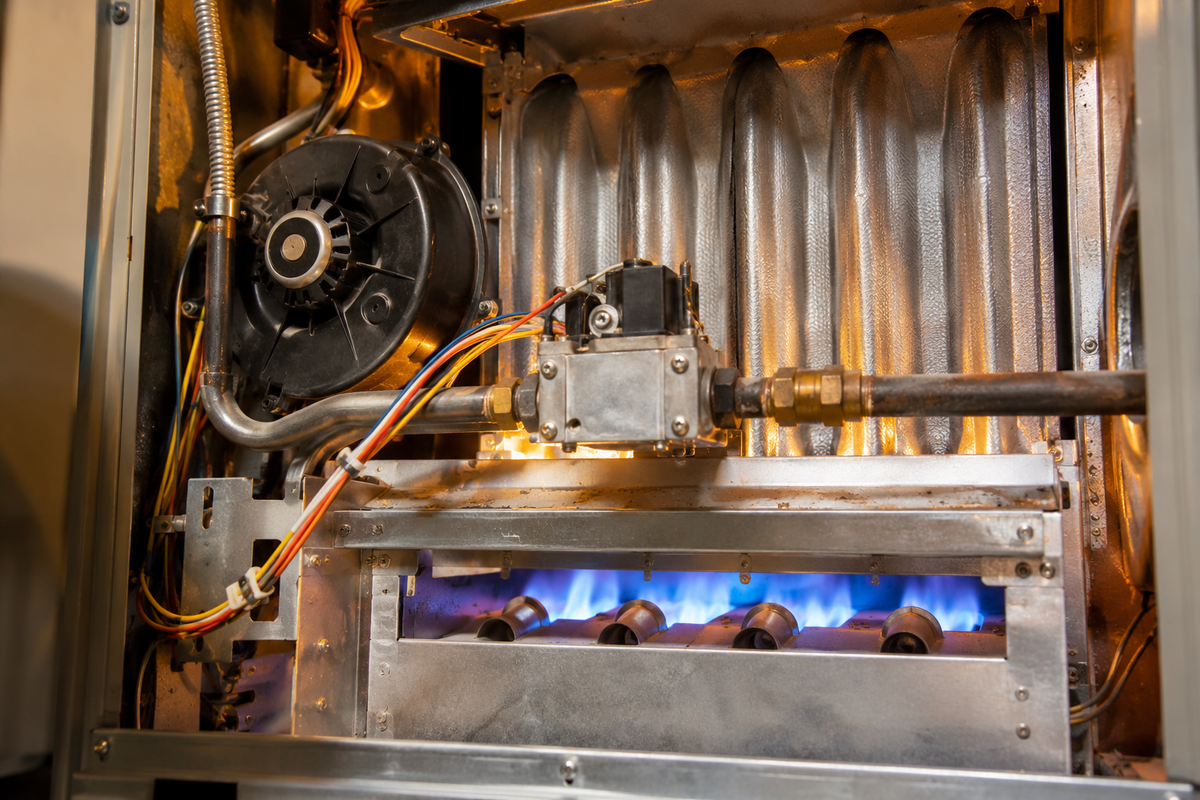
The HVAC blower motor is a critical component that circulates conditioned air throughout your home. When this motor begins to fail, the effects ripple through your entire heating and cooling system, often resulting in discomfort and higher energy costs. Recognizing the early signs and understanding the practical steps to address a failing blower motor can save you from costly repairs and maintain indoor air quality.
This article presents a clear, action-oriented blueprint to identify, diagnose, and resolve issues related to a failing HVAC blower motor. By following this practical guide, homeowners can take control and implement effective solutions before minor problems escalate. Whether you are a DIY enthusiast or preparing to consult a professional, these insights will help you navigate the process efficiently.
Recognizing Early Symptoms of a Failing HVAC Blower Motor
Unusual Noises and Vibrations
One of the first indicators that your HVAC blower motor might be failing is the presence of strange sounds such as grinding, squealing, or rattling. These noises arise from worn-out bearings or imbalanced fan blades, which can worsen if left unaddressed. Ignoring these early warnings risks further damage to the motor and surrounding components.
Inconsistent Airflow and Temperature Fluctuations
A failing blower motor often causes uneven airflow throughout your home, leading to hot or cold spots. You might notice that certain rooms do not reach the desired temperature despite thermostat settings. This inconsistent performance signals reduced blower motor efficiency and demands immediate attention to restore comfort.
Increased Energy Consumption
If your energy bills suddenly spike without a change in usage habits, a struggling blower motor could be the culprit. As it works harder to maintain airflow, the motor draws more electricity, reducing overall system efficiency. Monitoring energy consumption alongside physical symptoms helps pinpoint the blower motor as the source of the problem.
For those seeking detailed maintenance tips and professional services, you can check over here to explore resources tailored for HVAC blower motor care and replacement options.
Step-by-Step Diagnosis of a Failing HVAC Blower Motor
Visual Inspection and Cleaning
Begin with a thorough visual inspection of the blower motor and fan assembly. Dust buildup, debris, or visible wear on components can impede motor function. Cleaning the blower wheel and surrounding areas often improves airflow and reduces strain on the motor.
Electrical Testing and Motor Functionality
Using a multimeter, check the electrical continuity and voltage supply to the blower motor. Faulty wiring or electrical connections can mimic motor failure symptoms. Observing whether the motor starts correctly and runs smoothly during operation confirms its condition.
Assessing Motor Bearings and Capacitor
Worn bearings often cause increased friction and motor noise, while a failing capacitor can prevent the motor from starting or cause it to run inefficiently. Testing and replacing these parts where necessary restores motor performance and extends its lifespan.
Effective Repair and Replacement Strategies
When to Repair vs. When to Replace
Determining whether to repair or replace the blower motor depends on its age, condition, and repair costs. Motors older than ten years or exhibiting severe damage generally warrant replacement. Timely decisions prevent system failures and improve reliability.
Selecting a Compatible Replacement Motor
Choosing the right replacement motor requires matching specifications such as horsepower, speed, and voltage to your HVAC system. Using an incompatible motor can reduce efficiency or cause further damage. Consulting manufacturer guidelines or professionals ensures proper selection.
Professional Installation Best Practices
Proper installation involves secure mounting, correct wiring, and calibration of motor speed controls. An improperly installed blower motor may fail prematurely or cause system imbalances. Hiring certified technicians guarantees adherence to safety and performance standards.
Maintaining HVAC Blower Motor Health for Longevity
Routine Cleaning and Lubrication
Regularly cleaning the blower assembly and lubricating motor bearings reduce wear and maintain smooth operation. Establishing a maintenance schedule helps catch minor issues before they escalate. This proactive approach contributes to consistent indoor comfort.
Monitoring System Performance
Tracking airflow, temperature consistency, and unusual sounds provides early indications of motor health. Prompt response to changes prevents extensive damage and costly repairs. Homeowners benefit from simple performance checks as part of seasonal HVAC maintenance.
Ensuring Proper Ventilation and Airflow
Maintaining clear ducts and proper ventilation reduces strain on the blower motor. Blockages or leaks force the motor to work harder, accelerating failure. Implementing duct leakage prevention techniques improves overall system efficiency and longevity.
Addressing Safety and Efficiency Concerns
Preventing Overheating and Electrical Hazards
A failing blower motor can overheat, posing fire risks or triggering circuit breakers. Regular inspection of electrical connections and motor temperature safeguards your home. Installing surge protectors and ensuring proper grounding enhance system safety.
Improving Indoor Air Quality and Comfort
A malfunctioning blower motor disrupts conditioned air distribution, affecting air quality and comfort levels. Efficient airflow helps regulate indoor humidity and temperature, directly impacting occupant well-being. Following mechanical ventilation principles contributes to healthier indoor environments.
Integrating Energy-Efficient Solutions
Upgrading to high-efficiency blower motors reduces energy consumption and operational costs. Coupled with proper thermostat calibration and equipment efficiency ratings, these improvements support sustainable household temperature control. Balancing system upgrades with maintenance optimizes performance over time.
For comprehensive guidance on maintaining indoor air quality and addressing biological contaminants, refer to the EPA's recommendations on combustion safety checks and related topics.
Executing Your Next Steps in Managing HVAC Blower Motor Issues
Early Detection and Immediate Action
Act promptly when you notice signs of blower motor failure to prevent extensive damage. Begin with diagnosis steps to verify the issue and avoid unnecessary expenses. Early intervention preserves system integrity and enhances household temperature control.
Scheduling Professional Assessments
Engage qualified HVAC technicians to conduct thorough evaluations and recommend repair or replacement options. Professionals provide insights into system efficiency and safety compliance. Their expertise ensures that actions align with long-term performance goals.
Implementing Routine Maintenance Plans
Develop a maintenance blueprint that includes regular inspections, cleaning, and performance tracking. Consistent upkeep extends the life of your blower motor and HVAC system as a whole. Adopting this strategic approach maximizes comfort while minimizing unexpected failures.
What happens when an HVAC blower motor starts failing is a cause for immediate attention, but with a practical action plan, you can effectively manage the situation and maintain a comfortable living environment. Proactive care and informed decisions empower homeowners to navigate these challenges confidently.
Creation date: Nov 21, 2026 9:59pm Last modified date: Nov 21, 2026 9:59pm Last visit date: Nov 23, 2026 2:59am
Attach this document to an event, task, or address
You can attach a link to this document to an event in your Calendar, a task in your To Do list or an Address. Check the boxes below for the data you want to
bring into the event’s or task’s description, and then click “Select text to copy” to have the next event or task you create or edit have the document text and link.